
There’s something magical about planning a wildlife safari in India during summer the season when nature reveals its most dramatic stories. While many travelers think summer is too hot for outdoor adventures, savvy wildlife enthusiasts know it’s actually the golden window for guaranteed animal sightings, dramatic encounters, and the kind of photographs that will make your friends question whether you’ve hired a professional photographer.
Summer transforms India’s national parks into nature’s greatest theater. The extreme heat pushes every creature toward water sources, creating an unparalleled concentration of wildlife that you simply won’t experience during other seasons. Whether you’re a seasoned safari veteran or embarking on your first jungle adventure, this guide will walk you through the best wildlife destinations India has to offer this summer, with insider tips on what to expect and why each park deserves a spot on your bucket list.
Why Summer is Actually the Best Time for Indian Wildlife Safaris
I know what you’re thinking, summer in India? Temperatures soaring past 45 degrees Celsius? Who would voluntarily venture into that heat? The answer is anyone serious about witnessing wildlife in their natural habitat.
Here’s the reality: summer is when India’s national parks come alive with activity. The dry season strips away vegetation, making dense forests surprisingly transparent for wildlife viewing. Animals congregate around the few remaining water sources, creating what wildlife experts call “natural gathering points.” Imagine standing at the edge of a lake, watching a spectacular parade of tigers, leopards, sambar deer, and countless birds all converging because water is life, and it’s in short supply.
The extreme heat also changes animal behavior in your favor. Instead of wandering deep into impenetrable forests, big cats seek refuge in shaded areas, often visible from safari jeeps. This isn’t just speculation park rangers across India confirm that summer delivers the highest success rates for spotting India’s most elusive predators. Plus, fewer trees mean better photography and unobstructed views of wildlife interactions you’d otherwise miss.
Ranthambore National Park, Rajasthan: The Crown Jewel of Summer Safaris
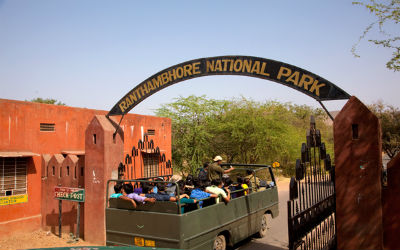
If you’re looking for the quintessential Indian tiger safari experience, Ranthambore isn’t just an option it’s practically mandatory. This park holds a special place in India’s wildlife tourism landscape, and for good reason.
Ranthambore sits in Rajasthan’s Sawai Madhopur district, and its history adds another layer of intrigue to your safari experience. This wasn’t always a protected forest it was once the private hunting ground of the Maharajas of Jaipur. Today, those hunting traditions have been replaced by something far more thrilling: responsible wildlife observation and conservation. The park is perhaps India’s most iconic tiger reserve, and the ruins scattered throughout its landscape create a hauntingly beautiful backdrop that you simply won’t find anywhere else.
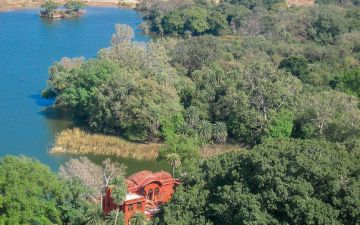
What makes Ranthambore exceptional during summer is its unique geography and tiger behavior patterns. The park contains three main lakes Padam Talao, Rajbagh Talao, and Malik Talao that become literal lifelines during the hot months. By May, most of the park’s deciduous forest has shed its leaves, meaning visibility is almost pristine. Tigers, being intelligent creatures, understand that water is precious during summer, so they congregate near these lakes during the cooler parts of the day.
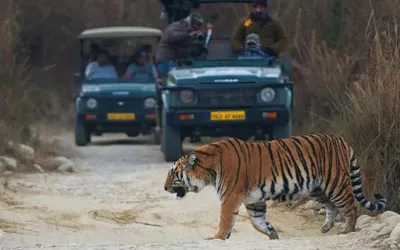
Here’s something most travel blogs won’t tell you: Ranthambore is world-renowned for its diurnal tigers. Unlike many other parks where tigers are primarily nocturnal, Ranthambore’s resident tigers are active during the day, particularly early morning and late afternoon. This means you have genuine opportunities to observe their natural behaviors hunting strategies, territorial marking, drinking patterns in daylight hours.
The combination of historical ruins, dramatic landscapes, and reliable tiger sightings makes Ranthambore perfect for wildlife photographers. You’re not just capturing animal images; you’re capturing the juxtaposition of crumbling ancient fortresses with free-roaming predators. It’s a photographer’s dream and a historian’s treasure trove rolled into one.
Getting There: Ranthambore
Reaching Ranthambore is straightforward, with multiple transportation options depending on your starting point. By Air: Fly into Jaipur International Airport (JAI), which is approximately 180 kilometers from Ranthambore. From Jaipur, hire a car or take a pre-arranged taxi for a scenic 4-5 hour drive through Rajasthan’s landscape. Several travel operators offer airport-to-park transfers.
By Train: This is the most atmospheric option. The Sawai Madhopur Railway Station is literally at the park’s entrance literally. You can take overnight trains from Delhi (9-10 hours), Mumbai, or other major cities. The overnight journey itself becomes part of your adventure. From the station, your accommodation is typically just 10-15 minutes away by vehicle.
By Road: If you’re comfortable with driving, Ranthambore is accessible via well-maintained national highways. From Delhi, it’s a 380-kilometer drive (6-7 hours). From Jaipur, it’s 180 kilometers (4-5 hours). The roads are decent, especially on the Jaipur-Sawai Madhopur route.
Pro Tip: Arriving by train adds romance and authenticity to your safari experience. Plus, you avoid the exhaustion of long-distance driving before your first early morning safari.
Spotting in Safari: Ranthambore
Ranthambore’s three main lakes are your primary spotting zones. Padam Talao is the most visited and most productive for tiger sightings. This is where the famous diurnal tigers particularly tiger TLS (known to locals as a prime viewing specimen) frequently visit during early morning and late afternoon hours. Your guide will position the jeep strategically along the lake’s periphery, often waiting silently for 20-30 minutes as animals approach the water.
Rajbagh Talao offers a more secluded experience with equally excellent wildlife concentration. Fewer jeeps are typically permitted here, meaning less crowding and more intimate observations. Leopards are particularly visible around this lake during summer months.
Malik Talao is deeper into the park and requires more adventurous safari routing. The payoff is reduced tourist presence and higher probability of seeing less habituated animals in more natural behavior patterns.
The park’s ruins particularly the ancient Ranthambore Fort structure create natural observation points where predators hunt prey species in their shadows. Your guide will know specific locations where leopards rest during the day and where sambar deer congregate at dawn.
Best Spotting Strategy: Early morning safaris departing before 6 AM are your gold standard. Tigers are most active after the cool night, and you’ll have better visibility as sunlight gradually illuminates the landscape. Late afternoon safaris from 3 PM onward are your second-best option. Midday safaris rarely yield tiger sightings, though you’ll observe abundant bird species and smaller mammals.
Jim Corbett National Park: Where the Wild Himalayas Come Alive
If you’re imagining lush Himalayan foothills, riverine belts, sheer ridges, and vast grasslands, you’re envisioning Jim Corbett National Park. This isn’t just India’s oldest national park it’s a living legacy of conservation success and pristine natural beauty.
Jim Corbett occupies a special position in India’s wildlife story. It was established in 1936, making it India’s first national park and the world’s first tiger reserve. The park is named after Jim Corbett, the legendary hunter-turned-conservationist who dedicated his life to protecting these forests. Walking through Jim Corbett feels like stepping into that legacy of transformation from hunting grounds to protected wilderness.
The park’s terrain is incredibly diverse. You have riverine belts where wildlife congregates, grasslands that stretch endlessly, and the magnificent backdrop of the Himalayan foothills. The Ramganga River cuts through the park’s landscape, creating natural corridors where wildlife moves freely.
Summer at Jim Corbett is particularly special because it’s the only season when you can confidently navigate the deeper sections of the park. If you’re willing to venture beyond the typical safari zones, you can secure a stay at the legendary Dhikala Forest Lodge, positioned right on the riverbank. This gives you exclusive early morning access to the Ramganga River, where wildlife congregates en masse. Imagine waking up to the sounds of the jungle, stepping onto your lodge veranda, and observing elephants bathing, tigers drinking, and the entire ecosystem operating in its natural rhythm all before your morning chai.
Getting There: Jim Corbett
Jim Corbett is accessible from multiple starting points, making it convenient for travelers from different regions. By Air: Pantnagar Airport (65 kilometers away) or Delhi’s Indira Gandhi International Airport (280 kilometers away) are your primary options. From these airports, arrange ground transportation typically a 2-4 hour drive to the park depending on which zone you’re visiting.
By Train: Ramnagar Railway Station is the closest major rail junction, approximately 7 kilometers from the park entrance. Regular trains connect Ramnagar to Delhi and other northern cities. The drive from Ramnagar to your accommodation takes 30-60 minutes depending on which zone you’ve booked.
By Road: This is the most flexible option. From Delhi, take NH119 toward Nainital and then head toward Ramnagar. The drive is approximately 6-7 hours but winds through beautiful hill country. If you’re driving from Lucknow or other eastern cities, alternative routes via NH28 are available.
Pro Tip: If you’re staying at Dhikala Forest Lodge (the most exclusive experience), book your permits weeks in advance. Access is controlled, and only limited guests are permitted daily. The compensation exclusive riverbank access and 24-hour wildlife observation opportunities is worth the advance planning.
Spotting in Safari: Jim Corbett
The Ramganga River corridor is your primary spotting zone. Unlike other parks, Jim Corbett’s riverine focus means wildlife follows water patterns year-round. During summer, the river becomes an even more critical resource, attracting elephants, tigers, sambar deer, and countless smaller species.
Dhikala Zone is the park’s heart and requires separate permits. This is where the famous Dhikala Forest Lodge operates. Your spotting opportunities here are unmatched you can observe wildlife not just during safari drives but also from your lodge veranda, particularly during early morning and evening hours. The river grasslands here support massive elephant herds.
Bijrani Zone offers grassland safaris where tigers are frequently spotted hunting in open areas. The visibility here is excellent, and you’re observing predators in more exposed terrain compared to denser forests.
Jhirna Zone is accessible year-round and popular for its mixed forests and grassland combinations. Summer here delivers concentrated wildlife viewing at water points.
Best Spotting Strategy: If staying at Dhikala, wake up before dawn and position yourself on the lodge veranda with binoculars before 5:30 AM. Elephants often approach the river to drink at first light. Your safari jeep drives should occur during the coolest parts of the day before 8 AM and after 3 PM. The Ramganga River itself is sometimes accessible by foot under guide supervision, allowing you to approach animals more quietly.
Kanha National Park: The Jungle Book Comes to Life
If you’ve ever read Rudyard Kipling’s “The Jungle Book,” you’ll immediately understand why Kanha National Park occupies a special place in literature and wildlife enthusiasts’ hearts. In fact, Kanha directly inspired Kipling’s masterpiece. The park’s sprawling expanse of golden meadows and towering Sal forests is so visually arresting that once you step into it, you understand why a writer would be compelled to create an entire fictional world around this landscape.
Kanha’s scale is impressive it covers a massive area of protected forest that provides one of the most immersive luxury safari experiences you can imagine. The sheer size means the park doesn’t feel crowded, even during peak season. You’re truly venturing into wilderness, not just taking a drive through a wildlife zoo.
Central India at its most pristine, Kanha maintains exceptionally high standards of park management and wildlife conservation. The park’s success with tiger population recovery is remarkable. You’re not just visiting a park; you’re witnessing firsthand how dedicated conservation efforts have brought tigers back from the brink of extinction in specific regions.
The wild beauty of the landscape is honestly just as captivating as the predators that stalk through its tall grasses. Golden meadows create dramatic lighting for photography, especially during early morning and late afternoon hours. The ecosystem is diverse tigers, leopards, gaur, sambar deer, and over 350 bird species call this place home. The Bajar River provides another focal point where wildlife congregates, creating multiple viewing opportunities throughout your safari.
Getting There: Kanha
Kanha is centrally located in Madhya Pradesh, making it relatively accessible from multiple directions. By Air: Jabalpur Airport (180 kilometers away) is your closest major airport, with flights from Delhi, Mumbai, and other major cities. From Jabalpur, hire a vehicle for the 4-5 hour drive to the park. Alternatively, fly into Nagpur Airport (250 kilometers away) for potentially cheaper flights.
By Train: Jabalpur Railway Junction connects to major Indian cities via regular trains. From Jabalpur, road transport takes you to the park’s accommodation zones.
By Road: If you’re combining multiple Madhya Pradesh parks, driving is ideal. Kanha is well-connected to nearby towns like Mandla and Jabalpur via decent highways. The drive from Bhopal is approximately 350 kilometers (7 hours).
Pro Tip: Many travelers combine Kanha with Bandhavgarh (only 5-6 hours apart) in a single trip, experiencing two distinct tiger reserves without extensive repositioning.
Spotting in Safari: Kanha
The massive meadows locally called “maidan” are Kanha’s signature spotting areas. These golden grasslands create unparalleled wildlife viewing opportunities. Unlike denser forests in other parks, Kanha’s open meadows allow you to spot animals from considerable distances and track their movements across expansive terrain.
Kisli Zone (also called Sarni Zone) is the most productive for tiger sightings. The meadows here concentrate wildlife, and your guide will position jeeps strategically in early morning to observe predators hunting prey species in open grassland.
Mukki Zone offers riverine habitat and dense forest combinations, excellent for leopard spotting. The ecosystem here is different from the meadow zones, providing habitat diversity.
Kanha Meadow itself is the heart of the park’s wildlife viewing. This expansive grassland is where the park’s tiger population hunts gaur and sambar. Early morning drives here frequently result in multiple tiger sightings during summer months.
Best Spotting Strategy: Kanha’s open terrain means early morning safaris are absolutely critical. Depart your lodge before 6 AM and drive to the meadow zones as sunrise occurs. Predators hunt prey species in early morning light, and you’ll witness active hunting behavior. The combination of early timing and open terrain creates photography and viewing opportunities unmatched in other parks. Afternoon safaris are productive but less dramatic than morning drives.
Bandhavgarh National Park: The Theater of Bengal Tigers
Drama, action, and big cats Bandhavgarh National Park delivers all three in abundance. This park is synonymous with the Bengal tiger, and for good reason. The dramatic topography of rocky hills and plunging valleys creates what can only be described as nature’s amphitheater, where wildlife encounters feel like front-row tickets to an exclusive performance.
What immediately strikes visitors about Bandhavgarh is the imposing 2,000-year-old plateau fort that dominates the landscape. This isn’t just a geographical feature it’s a constant reminder of human history intertwined with natural heritage. The fort provides a stunning vantage point and adds historical depth to your safari experience.
Here’s what makes Bandhavgarh particularly special during summer: it boasts one of the highest tiger densities in India. Specifically, the famous Tala zone in Bandhavgarh is practically synonymous with tiger sightings. The extreme heat drives these big cats to frequent the few permanent waterholes and cool off in the shaded rocky streams. For serious wildlife photographers and thrill-seekers, this density translates to a significantly higher probability of multiple tiger encounters during your stay.
The dramatic rocky terrain means that tracking tigers often involves more varied topography than you’d experience in other parks. You’re not just driving through grasslands; you’re navigating rocky hills and valleys, which adds an element of adventure to your safari experience. The park’s action-packed tracking experience is famous among safari enthusiasts who want encounters, not just sightings.
Getting There: Bandhavgarh
Bandhavgarh is located near the town of Umaria in Madhya Pradesh. By Air: Jabalpur Airport (160 kilometers away) is your closest option, with connecting road transport taking 4-5 hours to reach the park. Alternatively, Katni Railway Station Airport serves some routes.
By Train: Umaria Railway Station is just outside the park boundary literally. Many accommodations arrange pickup from the station, making this the most convenient option. Regular trains connect Umaria to Jabalpur and other central Indian cities.
By Road: From Jabalpur, take the road toward Umaria (approximately 160 kilometers, 3-4 hours). The roads are well-maintained on this route. If combining with Kanha, the drive is approximately 5-6 hours between parks.
Pro Tip: Arriving by train to Umaria and having your lodge arrange immediate pickup means you can start your first safari on the same day you arrive, maximizing your park time.
Spotting in Safari: Bandhavgarh
The Tala Zone is Bandhavgarh’s crown jewel famous worldwide for its tiger concentration and sightings. This is where guides position jeeps with genuine confidence about tiger encounters. The zone’s rocky terrain and permanent waterholes create natural gathering points for predators.
Panpatha Zone offers more secluded experiences with less tourist traffic. The ecosystem here is slightly different, with distinct tiger territories and hunting patterns.
The Bandhavgarh Fort ruins themselves become spotting locations. Leopards are known to rest in shaded areas around the ruins during the day, and your guide will know specific spots where these big cats typically shelter.
Summer heat drives tigers to specific water points Siddh Bav and other rocky streams become literal tiger highways. Your guide will focus safari routes on these thermal concentrations.
Best Spotting Strategy: Bandhavgarh’s rocky terrain means your guide’s tracking ability is paramount. Early morning safaris departing by 5:30 AM are critical this is when tigers move between territory and hunt. Your guide will look for pug marks (tiger footprints), droppings, and other tracking signs to determine recent tiger movement. The combination of guide expertise and early timing creates action-packed safari experiences. Afternoon safaris often involve tracking down specific resident tigers whose daytime rest locations are known to guides.
Tadoba Andhari Tiger Reserve: The Jewel of Vidarbha
Often referred to as the “Jewel of Vidarbha,” Tadoba Andhari Tiger Reserve is a dynamic, thriving ecosystem that truly comes alive during extreme heat. While the temperatures demand resilience from visitors, the sheer volume of predator activity makes it a top-tier destination for serious wildlife enthusiasts.
What’s unique about Tadoba is the landscape composition. Dense teak and bamboo thickets dominate the terrain, interspersed with vital water sources that sustain a booming, highly visible animal population. This isn’t a park with sparse wildlife; this is a park where predator activity is so regular that guides speak about tiger sightings with the same casualness that urban residents discuss seeing pigeons.
The ecosystem here is resilient and thriving, which means you’re visiting a park in excellent health. Conservation efforts have paid off, and you’ll witness the results firsthand a population explosion of tigers that translates into genuine safari success rates. The combination of dense forest and guaranteed water sources creates perfect habitat for not just tigers, but leopards, sambar deer, wild boar, and numerous bird species.
Getting There: Tadoba Andhari
Tadoba is located in Maharashtra’s Vidarbha region, making it accessible from multiple starting points. By Air: Nagpur Airport (140 kilometers away) is the primary air hub with flights from Delhi, Mumbai, Bangalore, and other major cities. From Nagpur, arrange ground transport for the 3-4 hour drive to the park.
By Train: Chandrapur Railway Station (45 kilometers away) is the closest major junction. From there, local transport takes you to park accommodations. Alternatively, trains to Nagpur offer more frequency and connections.
By Road: If you’re exploring central India, Tadoba is accessible via decent highways from multiple directions. From Nagpur, the drive is straightforward. From Hyderabad or southern cities, Tadoba is actually on the way if heading to central India.
Pro Tip: Tadoba is less internationally known than Ranthambore or Bandhavgarh, meaning you often get better permit availability and potentially shorter tourist lines, even during peak season.
Spotting in Safari: Tadoba Andhari
The Tadoba Lake and surrounding areas are the primary wildlife concentration zones. This permanent water source creates a magnet for all species during summer drought.
Kolara Zone is known for high predator activity and reliable tiger sightings. The combination of dense cover and water access creates perfect hunting territory.
Pangri Zone offers scenic viewpoints and good wildlife observation opportunities.
Tala Zone (different from Bandhavgarh’s Tala) features open areas where you observe predators hunting in more exposed terrain.
Summer means concentrated tiger activity around specific waterholes. Your guide will know these locations intimately and position safari routes accordingly.
Best Spotting Strategy: Tadoba’s dense forest means early morning tracking is essential. Your guide will look for fresh tracks and signs, then position your jeep ahead of likely tiger movement patterns. Afternoon safaris yield consistent results too. The park’s high tiger density means that even if you don’t see a tiger on any particular safari, the probability across your stay is significantly higher than most other reserves. Patience and multiple safari drives increase your encounter probability substantially.
Kaziranga National Park: The One-Horned Rhinoceros Capital
If your safari dreams involve something different from the typical tiger-centric experience, Kaziranga National Park offers a refreshing alternative. This UNESCO World Heritage Site is home to over 60% of the world’s population of Indian One-horned Rhinoceroses.
The landscape is entirely different from what you’d experience in tiger reserves. Dense forests give way to towering elephant grasslands, meadows, swampy marshes, and lagoons. This biodiversity haven feels foreign compared to the rocky, open terrain of parks like Ranthambore. The very geography encourages different wildlife sightings and a different safari experience altogether.
Kaziranga during summer is particularly special because the monsoon rains will soon flood the park, but before that happens, wildlife is concentrated in accessible areas. The park’s famous one-horned rhinos congregate around specific grazing areas, and the elephant herds are visible in larger numbers. Plus, the bird watching here is exceptional if you’re into avian species, Kaziranga is paradise.
Getting There: Kaziranga
Kaziranga is located in Assam’s eastern region, making it accessible primarily from northeastern India. By Air: Guwahati Airport (220 kilometers away) is the primary air hub with flights from major Indian cities. From Guwahati, hire a vehicle or join group tours for the 5-6 hour drive to the park.
By Train: Guwahati Railway Station is a major junction with trains connecting to numerous Indian cities including Delhi, Kolkata, and others. From Guwahati, road transport takes you to Kaziranga. The drive itself offers glimpses of Assamese landscape and culture.
By Road: If exploring northeast India, Kaziranga is well-connected via highways to Guwahati and other Assamese cities. The road through tea plantations toward Kaziranga is scenic and atmospheric.
Pro Tip: Many travelers combine Kaziranga with other northeast India experiences Guwahati attractions, tea estate visits, or other wildlife destinations. It’s less isolated than it feels.
Spotting in Safari: Kaziranga
Unlike other parks, Kaziranga offers multiple safari types. Jeep Safaris are your primary option, navigating through grasslands and marshy areas where one-horned rhinos congregate in herds.
Elephant Safaris are unique to Kaziranga and offer a different perspective. Riding elephants through the park means animals perceive you as another elephant, often allowing closer approaches than vehicle-based safaris. This experience is genuinely unique in Indian wildlife tourism.
The park’s elephant grasslands are your main spotting zones. During summer, herds of rhinos, elephants, wild water buffalo, and swamp deer congregate in these grasslands.
Raidih Beel (a wetland area) is exceptional for bird watching over 450 bird species are documented here.
Best Spotting Strategy: Kaziranga’s wet grasslands require early morning jeep safaris when animals are actively grazing. Elephant safaris offer more intimate experiences but require specific timing often mid-morning when the ground has warmed slightly. The park’s vastness means multiple safaris during your stay increase encounter diversity. Afternoon visits to specific sites often yield different species than morning drives.
Pench National Park: The Divide Between States and Ecosystems
Pench National Park straddles the Maharashtra-Madhya Pradesh border, and this unique positioning creates an interesting ecosystem where wildlife moves freely between two states. The park is named after the Pench River, which divides the park geographically while uniting it ecologically.
What’s fascinating about Pench is how tiger populations here have recovered dramatically in recent years. The park is now among India’s most successful tiger reserves in terms of population growth. Summer visits mean you’ll observe the results of this conservation success firsthand.
The landscape includes dry deciduous forest, grasslands, and the river corridor creating diverse habitats for multiple species. Leopards are particularly abundant in Pench, sometimes even more visible than tigers, which makes for a different but equally thrilling safari experience.
Getting There: Pench
Pench is accessible from both Maharashtra and Madhya Pradesh sides. By Air: Nagpur Airport (100 kilometers away) is closest if accessing from the Maharashtra side. Alternatively, Indore Airport (250 kilometers away) if accessing from the Madhya Pradesh side. Both involve 2-3 hour ground transport to reach the park.
By Train: Seoni Railway Station (50 kilometers away) is the nearest major junction with trains connecting to larger cities. From Seoni, local transport takes you to park accommodations.
By Road: Well-maintained highways connect Pench to Nagpur, Indore, and other regional cities. From Nagpur, the drive is approximately 2 hours (very close, actually). From Indore, it’s approximately 5-6 hours.
Pro Tip: Pench’s proximity to Nagpur means it’s easily combinable with Tadoba (just 2-3 hours apart). Many travelers do a Tadoba-Pench combination for maximum tiger exposure.
Spotting in Safari: Pench
The Pench River corridor is the primary wildlife concentration zone. During summer, this becomes even more critical as animals depend on river water.
Sillari Zone on the Maharashtra side is known for excellent tiger sightings and healthy ecosystem health.
Karmajhiri Zone on the Madhya Pradesh side offers distinct wildlife viewing opportunities with different predator territories.
The park’s grasslands and dry deciduous forests create varied spotting opportunities from open terrain viewing to dense forest tracking.
Best Spotting Strategy: Pench’s river-focused ecosystem means early morning drives toward the river channel are productive. Your guide will position jeeps where animals typically come to drink and bathe. Leopards are frequently visible here, sometimes in surprising proximity. The park’s success means you often encounter multiple animal species during single safaris.
Periyar Tiger Reserve: The Boat Safari Experience
If you want to experience something completely different from north Indian safaris, Periyar Tiger Reserve in Kerala offers a unique boat safari experience. Unlike the dusty jeep trails of the northern parks, Periyar’s vast artificial lake created by the Mullaperiyar Dam becomes your safari vehicle.
This boat vantage point is incredibly valuable because it’s quiet and unobtrusive. You drift through the water, observing wildlife from a perspective they’re less accustomed to, which often means more natural behavior observation. During summer months, you can frequently watch massive herds of elephants coming to the water’s edge to drink, bathe, and socialize. The visual spectacle of 20-30 elephants at a waterhole, mirrored in the lake, is something you simply won’t forget.
The southern topography of Periyar is lush compared to northern parks, and the ecosystem is fundamentally different. You’ll encounter species here that you won’t see up north different deer species, different birds, different forest composition. This biodiversity difference alone makes Periyar worth visiting if you’re serious about experiencing India’s varied ecosystems.
Getting There: Periyar
Periyar is located in Kerala’s Idukki district in the Western Ghats. By Air: Cochin Airport (approximately 110 kilometers away) is your gateway with regular flights from major Indian cities and international destinations. From Cochin, hire a vehicle or join group tours for the scenic 3-4 hour drive through Kerala’s hill stations.
By Train: The nearest major railway stations are Kottayam or Kumily (closest), with trains connecting to other Kerala cities and major Indian metros. From these stations, road transport to the reserve takes 1-2 hours.
By Road: If you’re exploring Kerala’s backwaters and hill stations, Periyar is naturally on the route. Driving through tea and spice plantations toward Periyar is an experience in itself. From Kochi, the drive is scenic and manageable.
Pro Tip: Combine Periyar with Kerala’s famous backwater experiences or tea plantation stays. The drive itself through Western Ghats is stunning and makes for complementary tourism experiences.
Spotting in Safari: Periyar
Boat safaris on Periyar Lake are the primary spotting method. Unlike other parks, you’re observing wildlife from water rather than land, creating distinct advantages and experiences.
Early morning boat safaris starting around 6 AM offer the best wildlife visibility. Elephants approach the water’s edge to drink and bathe, often in herds. The mirrored reflection in calm morning water creates stunning visual experiences.
Elephant viewing points along the lake shore are specifically known locations where herds congregate. Your boat guide will navigate to these areas strategically.
Trekking routes within the reserve combine walking with wildlife observation, offering more immersive experiences than boat-only visits.
Tiger spotting from boats is rare but possible the main draw here is elephant herds, bird species (over 150 bird species are documented), and the overall ecosystem diversity.
Best Spotting Strategy: Early morning boat safaris are non-negotiable here. The quiet, gliding approach of boats means animals perceive less threat than jeep engines. Afternoon safaris can be productive but lack the drama of early morning visits. Combining boat safaris with trekking routes increases overall wildlife encounter probability.
Panna National Park: Riverine Drama and Rocky Gorges
Panna National Park is a landscape defined by dramatic contrasts. The emerald waters of the Ken River carve through deep, rocky gorges and dense forests, creating visual drama that’s rarely captured in typical safari experiences. This multi-terraced reserve is a testament to successful conservation efforts, and it offers a truly dynamic safari experience.
What makes Panna unique is the river focus. Unlike other parks where wildlife congregates around artificial water holes, Panna’s Ken River creates a natural magnet that wildlife cannot resist. The summer heat drives animals out of the dense gorges and down to the rocky banks of the river, creating vivid, high-contrast encounters.
Here’s something special: Panna offers unique boat safaris on the Ken River, allowing you to photograph wildlife from the water while taking in the dramatic riverbank scenery. You’re literally floating through a canyon with jungle walls rising on both sides, observing predators and prey in their natural habitat. It’s a photographer’s dream because the rocky terrain and river reflections create compositional opportunities you won’t find in typical grassland parks.
Getting There: Panna National Park
Panna is located in Madhya Pradesh’s Chhatarpur district. By Air: Khajuraho Airport (60 kilometers away) is your closest major airport. Interestingly, Khajuraho is famous for its ancient temples, so you can combine cultural tourism with wildlife. From Khajuraho, drive 1.5-2 hours to reach Panna.
By Train: Khajuraho Railway Station connects to larger cities via regular trains. From there, road transport takes you to the park approximately 1.5-2 hours.
By Road: Panna is accessible via highways connecting to other Madhya Pradesh parks and cities. The drive to Khajuraho (famous temples) takes approximately 1 hour, making combination tourism natural.
Pro Tip: Many travelers combine Panna with Khajuraho temples visit the famous ancient temples for culture, then venture into Panna for wildlife. This creates a well-rounded cultural and natural tourism experience.
Spotting in Safari: Panna
The Ken River corridor is your primary spotting zone. During summer, this becomes the focal point of all wildlife activity. Animals must visit the river to drink and bathe there’s no alternative during extreme heat.
Boat safaris on the Ken River offer views impossible from land. You drift silently through rocky canyons, observing wildlife from an unexpected angle. Tigers are known to approach the river to drink, and spotting them from water creates a uniquely immersive experience.
Jeep safaris navigate the park’s rocky terrain, accessing vantage points where you observe animals in grasslands and forest fringes.
Rocky outcrops near the river provide natural viewing platforms where leopards rest during the day.
Best Spotting Strategy: Early morning boat safaris are your prime experience. The silence of water travel and calm surface reflections create photographic and viewing advantages. Following boat safaris with jeep drives to river-adjacent forest areas maximizes wildlife encounter diversity. Afternoon safaris can work, but morning timing captures the most active wildlife periods.
Bandipur National Park, Karnataka: The Elephant Extravaganza
If your safari heart yearns to see massive herds of elephants, Bandipur National Park in Karnataka is calling your name. This park, part of the Nilgiri Biosphere Reserve, is the largest protected area in South India and features some of the largest elephant populations in the country.
The road passing through the jungle in this park affords the greatest opportunities of spotting elephants, deer, peacocks, Indian bison, and numerous other species. The park’s landscape is lush compared to northern reserves, and the entire ecosystem functions differently. Wet evergreen forests and grasslands create habitats that support enormous herbivore populations.
Summer at Bandipur means concentrated elephant sightings. The herds come together, especially around water sources, and you’ll witness social interactions, teaching moments, and the complex social structure of elephant families.
Getting There: Bandipur
Bandipur is located in Karnataka’s Mysore district. By Air: Bangalore International Airport (220 kilometers away) is your primary air gateway with flights from major Indian cities. From Bangalore, hire a vehicle for the 4-5 hour drive to the park through scenic Nilgiri terrain.
By Train: Mysore Railway Station (80 kilometers away) is well-connected to major Indian cities. From Mysore, road transport takes you to Bandipur in approximately 2 hours.
By Road: Bandipur is well-connected via highways to Bangalore, Mysore, and other southern Indian cities. The drive through coffee and spice plantations is scenic and relatively pleasant.
Pro Tip: Many travelers combine Bandipur with nearby Nagarhole National Park (just 30 kilometers away) for enhanced wildlife experience across two distinct parks.
Spotting in Safari: Bandipur
Elephant grasslands and water sources are your primary spotting zones. Unlike northern parks focused on predators, Bandipur’s elephant herds are the main draw.
Kabini River areas provide excellent wildlife concentration, particularly during summer months.
Open grasslands create scenic viewing opportunities where you observe elephants in family groups, often with youngsters.
Jeep safaris navigate through the park’s road network, accessing various zones where elephants congregate. The park’s road infrastructure is well-maintained.
Trekking opportunities within specific zones provide walking-based wildlife observation alternatives to safari drives.
Best Spotting Strategy: Early morning safaris are productive, but unlike northern parks where early morning is critical, Bandipur’s elephant herds are active throughout the day. Multiple safaris at various times increase encounter variety. Afternoon safaris often yield good results. Combine vehicle-based safaris with walking treks for diverse experiences. The park’s organized infrastructure makes it family-friendly despite being a serious wildlife reserve.
Gavi and Parambikulam, Kerala: Hidden Gems of South Indian Wildlife
For travelers looking beyond the mainstream tiger reserve circuit, Gavi in Kerala’s Pathanamthitta district feels like a secret wildlife sanctuary straight out of a postcard. This eco-tourism gem offers a bird sanctuary vibe with over 260 species of birds, plus abundant elephants and wild animals.
Summer jeep safaris and boat rides on the lake let you explore a protected forest where elephants roam freely and deer drink peacefully. The forest department runs excellent programs, including night safaris that add extra thrill to your experience.
Parambikulam, straddling the Kerala-Tamil Nadu border, is a wildlife sanctuary powerhouse. This national park-level gem boasts rich biodiversity with tigers, leopards, elephants, sloth bears, and wild boars. Jeep safari routes wind through 53 kilometers of forest, offering incredible elephant sightings, especially in summer when herds head to the reservoir.
Getting There: Gavi and Parambikulam
Both reserves are located in western Kerala’s hill country. By Air: Cochin Airport (100-150 kilometers away depending on which reserve) serves as your gateway with connections to major Indian cities.
By Train: Nearest railway stations include Kottayam for Gavi access and Anthiyur for Parambikulam access. From these stations, road transport to reserves takes 1-2 hours.
By Road: Both reserves are accessible via well-maintained hill roads through Kerala’s scenic terrain. Driving through spice plantations and tea gardens adds to the overall experience.
Pro Tip: These reserves are less crowded than northern parks, offering a more intimate wildlife experience. The Kerala hill country setting creates a unique tourism atmosphere compared to northern dry zones.
Spotting in Safari: Gavi and Parambikulam
Gavi features open reservoir areas where you observe elephants, sambar deer, and various bird species. Boat rides on the lake offer water-based viewing similar to Periyar’s experience.
Parambikulam features jeep safari routes through 53 kilometers of forest with dedicated spotting zones for elephants and other species. The park’s reservoir creates concentrated wildlife gathering during summer months.
Best Spotting Strategy: Early morning safari timing applies here too. Gavi’s smaller scale makes it more intimate fewer tourists means less disturbance and more natural animal behavior. Parambikulam’s larger size offers more diverse ecosystem experiences. Both reserves reward patience and early morning timing.
Practical Summer Safari Considerations: Making Your Trip Successful
[Previous practical section remains the same, with existing content…]
Now that you know where to go and how to get there, let’s talk about the reality of planning a summer safari in India. Understanding these practical considerations will transform your experience from potentially uncomfortable to genuinely enjoyable.
Advance Booking is Non-Negotiable: Summer is peak safari season, and permit slots fill up weeks in advance. If you’re planning to visit any major park, secure your permits and accommodations immediately. Popular zones in parks like Ranthambore and Bandhavgarh can be completely booked out a month or more ahead. Don’t make the mistake of assuming you can book casually you’ll find yourself with limited options or complete unavailability.
Heat Preparedness: Summer temperatures in Indian wildlife parks can exceed 45 degrees Celsius. This demands proper preparation: lightweight, loose-fitting clothing, wide-brimmed hats, high-SPF sunscreen, and plenty of water. Safari jeeps provide some shade, but early morning and late afternoon drives expose you to direct sun. Many experienced safari-goers wear full-coverage UV-protective clothing designed specifically for outdoor activities. Yes, it looks like you’re cosplaying as an astronaut, but your skin will thank you.
Early Starts and Late Afternoons: Wildlife is most active during cooler parts of the day early mornings before 9 AM and late afternoons after 3 PM. Morning safaris are particularly productive because animals have been active during the cool night and are seeking water or food. You’ll be waking up before dawn, which means adjusting your sleep schedule accordingly. It’s worth it, though most dramatic wildlife encounters happen during these cooler windows.
Photography Considerations: Summer’s harsh midday sun and clear visibility create distinct photography challenges and opportunities. Harsh shadows are magnified, but the visibility is excellent for spotting distant wildlife. Professional photographers often focus their efforts on early morning and late afternoon drives, using midday for rest, review, and equipment maintenance.
Physical Fitness: Safari jeeps aren’t luxury cars with suspensions designed for comfort. You’ll spend 4-5 hours at a time bouncing over unpaved terrain. While not impossible for most people, it does demand a baseline level of physical fitness and back health. If you have back problems, consider bringing lumbar support or seat cushions designed for outdoor activities.
Budget Planning: What to Expect
Safari experiences in India range from budget-friendly to luxury, depending on your accommodation choices and safari operator selection.
Entry and Permit Costs: National park entry and safari permits typically range from ₹500-2,000 per person per safari. Some parks charge additional fees. Budget ₹5,000-10,000 for a three-day safari package including permits and vehicle hire, depending on park choice.
Accommodation: Budget options range from basic lodges at ₹2,000-4,000 per night to luxury forest resorts at ₹15,000-50,000 per night. Mid-range options offering good comfort and wildlife access typically run ₹5,000-10,000 per night.
Meals and Amenities: Most accommodations include meals, but standalone meals in park areas typically cost ₹300-1,000 depending on establishment.
Total Trip Budget: A comfortable 3-4 day safari trip for two people, including accommodation, meals, permits, and safari jeep hire, typically costs ₹30,000-60,000 total (approximately $360-720 USD).
Travel Tips for Maximum Enjoyment
After researching dozens of safari experiences, here are the insider tips that separate good safaris from great ones:
Hire Experienced Guides: Your guide’s knowledge dramatically impacts your experience. An exceptional guide notices tracks, understands animal behavior, knows where animals typically congregate, and can position your jeep for optimal viewing. This is worth investing in hire guides through park-approved operators, and don’t hesitate to request specific guides based on other travelers’ recommendations.
Manage Your Expectations Realistically: Even in parks with high tiger density, seeing a tiger is not guaranteed. Tiger sightings depend on luck, timing, weather, and animal movements. Leopards are often easier to spot. Multiple smaller animals and bird sightings are almost certain, but pin your entire trip satisfaction on tiger encounters at your own risk.
Bring Binoculars: Quality binoculars multiply your wildlife spotting capacity. Many safaris involve spotting distant animals first and then positioning jeeps for closer observation. Binoculars help you identify species from distance and appreciate details you’d otherwise miss.
Respect Park Rules: These aren’t arbitrary restrictions they exist to protect wildlife. Stay in your jeep unless told otherwise, maintain voice discipline (soft voices don’t scare wildlife), and never throw garbage. Wildlife conservation depends on visitor compliance with park regulations.
Combine Multiple Parks: If you have time and budget, combining 2-3 parks increases your wildlife diversity. A week in Rajasthan could include Ranthambore and Pench. A central India trip could combine Kanha and Bandhavgarh. Different parks offer different species and experiences.
Perfect! Here’s the FAQ section without any dashes (—) – using commas and other punctuation instead:
Frequently Asked Questions
Q: What is the best time to visit Indian wildlife parks for safari?
A: Summer (May-June) is ideal despite heat. Wildlife congregates around water sources, increasing sighting probabilities dramatically. Dense vegetation has shed, making forests transparent. Heat forces animals toward permanent water points guides know intimately.
Q: Is summer safari safe in India? Won’t the heat be unbearable?
A: Summer is manageable with preparation. Wear lightweight clothing, high-SPF sunscreen, drink water constantly. Safari jeeps provide shade, drives happen during cooler morning and afternoon hours. Discomfort is temporary, memories are lifetime-lasting.
Q: How far in advance should I book my summer safari?
A: Book 4-8 weeks ahead for popular parks like Ranthambore and Bandhavgarh. Permit slots fill quickly, especially premium zones. Flexible dates offer better availability. Don’t delay, book immediately for specific preferences.
Q: What’s the success rate of seeing tigers in summer?
A: Ranthambore and Bandhavgarh offer 60-80% tiger probability. Tadoba and Pench provide 50-70%. Jim Corbett gives 40-60%. Leopards are easier at 70-90%. You’ll definitely see abundant smaller wildlife regardless.
Q: Which park is best for first-time safari visitors?
A: Ranthambore suits first-timers perfectly, combining historical ruins, reliable tiger sightings, manageable size, and developed infrastructure. Three main lakes create concentrated viewing areas. Alternatively, try Bandipur for elephants or Periyar for boat safaris.
Q: Can I combine multiple parks in one trip?
A: Absolutely. Combine Ranthambore + Pench (6-7 hours apart) or Kanha + Bandhavgarh (5-6 hours). A week accommodates two parks comfortably. This increases wildlife diversity, reduces repetition, creates memorable experiences.
Q: What’s the difference between national parks and tiger reserves?
A: Terms are often interchangeable. Tiger reserves are national parks designated specifically for tiger conservation under Project Tiger. For safari purposes, the important distinction is ecosystem type and wildlife composition, not administrative title.
Q: Do I need special permits for safari jeep drives?
A: Yes. Each safari requires permits specifying time, vehicle type, and zones. You cannot enter without valid permits. Accommodations typically arrange procurement. Confirm this when booking. Government websites handle applications.
Q: What should I pack for a summer safari?
A: Essential items include lightweight clothing, hat, high-SPF sunscreen, sunglasses, binoculars, camera, water, stomach medications, insect repellent, and walking shoes. Optional but recommended are lumbar cushion, portable charger, notebook, zoom lens, and moisturizer.
Q: Are accommodations comfortable in safari parks?
A: Quality varies widely. Budget lodges (₹2,000-4,000 per night) offer basic comfort. Mid-range options (₹5,000-10,000) provide good comfort and scenic views. Luxury resorts (₹15,000-50,000) offer premium amenities. Most are simple but adequate, focused on nature over luxury.
Q: Can children go on safari?
A: Children under 5 struggle with early mornings and long drives. Ages 5-12 manage well with preparation, rest time, hydration, and engaging guides. Teenagers usually enjoy enthusiastically. Inform accommodations about ages for adjusted timing and vehicles.
Q: What if I don’t see a tiger?
A: You’ll observe leopards, elephants, deer, wild boar, and hundreds of bird species. Many find these equally thrilling after adjusting expectations. Guides say tiger sightings are bonus, the ecosystem is real. Enjoy the journey, not just the destination.
Q: Is it safe to visit Indian wildlife parks as a solo traveler?
A: Completely safe. Many solo travelers visit annually. Safari drives are group experiences with 4-6 people per jeep. Accommodations are secure. Indian hospitality welcomes visitors warmly. Solo experiences often become transformative through contemplative wildlife observation.
Q: What’s the cost breakdown for a typical 3-day safari trip?
A: For two people: accommodation (₹15,000-20,000), permits and drives (₹8,000-12,000), meals (₹4,000-6,000), transportation (₹4,000-8,000). Total is approximately ₹31,000-46,000. Luxury options cost more, budget stays cost less.
Q: Can I do a safari if I have physical limitations or mobility issues?
A: Jeeps require climbing, drives involve bumpy terrain, which is challenging for severe limitations. Modified jeeps with easier access are sometimes available. Contact parks directly. Discuss specific limitations with accommodation for creative solutions.
Q: What’s the difference between jeep safaris and elephant safaris?
A: Jeep safaris are vehicle-based, cover more territory, faster, better for photographers. Elephant safaris involve slower pace, quieter approach where animals perceive less threat, more intimate experience, and unique perspective. Both offer distinct advantages worth experiencing.
Q: Is it better to book directly with parks or through travel agencies?
A: Both work well. Direct booking ensures legitimacy, supports conservation, sometimes cheaper. Requires navigating government websites (complex). Agencies handle logistics, arrange multi-park trips, offer convenience. For first-timers, agencies are worth the extra cost.
Q: What wildlife will I definitely see?
A: You’ll certainly see multiple deer species, wild boar, various birds like peacocks, eagles, hornbills, and monkeys. Leopards are probable. Tigers are likely in summer. Sloth bears and wild buffalo are possible but less certain overall.
Q: Can I do multiple safaris per day?
A: Most parks permit early morning (5:30-9:00 AM) and late afternoon (3:00-6:30 PM) safaris separately. Two per day is possible but physically demanding in summer heat. Most do one daily, using midday for rest. Two safaris increase sighting probability substantially.
Q: What’s the best camera setup for safari photography?
A: A good zoom lens (400mm+) matters more than camera body. DSLR or mirrorless with telephoto lenses work excellently. Smartphones with zoom work for casual photography. Bring extra batteries, memory cards, UV filters. Stabilization helps with bouncing jeep movements.
Q: Are there age restrictions for safari?
A: No strict age limits exist. Very young children under 3 struggle with early mornings and long drives. Ages 3-12 manage well with preparation. Teenagers and adults have no restrictions. Check individual parks for specific policies.
Q: Can I take my own vehicle into safari zones?
A: No. All visitors must use park-designated safari vehicles with authorized guides. This protects wildlife by controlling access, minimizing disturbance, and ensuring visitor safety. Your accommodation arranges vehicles for you.
Q: What if it rains during safari?
A: Summer rains are rare but possible as monsoon begins in July. Light rain often enhances wildlife activity, animals are more visible with moisture. Heavy rain makes terrain impassable. Parks adjust operations based on weather. Cancellations are rare during peak summer.
Q: Is summer safari worth the discomfort?
A: Almost universally yes. Visitors consistently rate summer safaris as transformative. Heat is intense temporarily, but genuine wildlife encounters, untouched landscapes, and spiritual nature connection make discomfort worthwhile for lifetime memories.
Q: What time should I wake up for early morning safari?
A: Wake up by 4:30-5:00 AM for early morning safaris. You’ll depart lodge around 5:30-6:00 AM when wildlife activity peaks. This early timing dramatically increases tiger, leopard, and elephant sighting probabilities before day heat intensifies.
Q: Are there any health precautions I should take?
A: Consult your doctor before visiting. Consider vaccinations for hepatitis A and typhoid. Bring antimalarial medication if park recommends. Carry digestive aids, stomach issues are common in new environments. Stay hydrated constantly and use high-SPF sunscreen religiously.
Q: Can I hire a private guide for my safari?
A: Most parks require government-licensed guides for safari drives. Hiring private guides adds costs but provides personalized experiences and deeper knowledge. Ask your accommodation about hiring specific guides based on recommendations from other travelers.
Q: What’s the best season to visit if I can’t do summer?
A: Winter (November-February) is pleasant but offers less wildlife concentration. Monsoon (July-September) floods parks, making access dangerous. Post-monsoon (October) begins recovery. Summer delivers unmatched wildlife viewing despite heat challenges.
Q: How do I get to parks from major Indian cities?
A: Most parks are accessible via flights to nearest airports then road transport. Ranthambore: fly to Jaipur or train to Sawai Madhopur. Jim Corbett: fly to Delhi or train to Ramnagar. Kanha: fly to Jabalpur. Tadoba: fly to Nagpur.
Q: Should I bring a guide book or wildlife identification app?
A: Yes, absolutely helpful. Bring printed field guides for birds, mammals, and plants. Download offline wildlife apps for animal identification and behavior information. These enhance safari experience immensely, you’ll understand what you’re observing beyond basic categorization.
Q: Can I do night safaris?
A: Some parks offer night safaris like Pench and specific Kerala reserves. These reveal nocturnal species rarely seen during day. Night safaris have different permit requirements and special vehicles with spotlights. Book separately from day safaris.
Q: What’s the cancellation policy if weather is bad?
A: Most parks offer refunds or rescheduling if safaris are canceled due to severe weather. Check specific accommodation policies when booking. Summer cancellations are rare. Document cancellation reasons for compensation. Ask before booking about their specific policies.
Q: How many safaris should I do during my stay?
A: Minimum 2-3 safaris are recommended to increase wildlife encounter probability. Each safari varies, morning and afternoon present different animals. Four to five safaris during a week maximizes diversity and meaningful experiences with multiple opportunities.