

India is a year-round destination, but the best time to visit depends on your route. A trip to Rajasthan in January feels very different from a Kerala holiday in July or a Ladakh road trip in June. The country is large, with deserts, high mountains, tropical beaches, forests, plains and long coastlines. Weather can change sharply from one state to another.
For most first-time visitors, the best time to visit India is from October to March. These months are generally more comfortable for the Golden Triangle, Rajasthan, Varanasi, Madhya Pradesh, many tiger reserves and much of South India. Days are usually pleasant, humidity is lower in many regions and long road journeys are easier than during the hottest or wettest months.
That does not mean India should only be visited in winter. April to June is a strong period for Himalayan routes, Ladakh, Kashmir, Himachal Pradesh, Uttarakhand and some wildlife safaris. July to September brings the monsoon, which changes travel conditions but can be a good time for Kerala, the Western Ghats, Goa in the green season and Ladakh, which lies in a rain-shadow region.
This guide explains India’s weather by season, month and region. It will help you choose a practical travel window whether you want to see the Taj Mahal, take a Rajasthan road trip, enjoy Kerala backwaters, go on a tiger safari, visit beaches or travel to the Himalayas.
Quick Answer: What Is the Best Time to Visit India?
The best overall time to visit India is from October to March. This is the most comfortable period for many popular routes, including Delhi, Agra, Jaipur, Jodhpur, Udaipur, Varanasi, Khajuraho, Mumbai, Goa, Kerala and several national parks.
However, the right month depends on your travel plans:
- October to March: Best for Rajasthan, the Golden Triangle, Varanasi, Central India, Kerala, Goa and many India cultural tours.
- April to June: Best for Ladakh, Kashmir, Himachal Pradesh, Uttarakhand, hill stations and some tiger safaris.
- July to September: Best for monsoon scenery, Kerala, the Western Ghats, fewer crowds and parts of Ladakh.
If you are planning your first India trip and want a route with cities, forts, palaces, wildlife and comfortable road travel, November to March is usually the easiest choice.
India Weather and Travel Seasons
India is often divided into three broad travel seasons: winter, summer and monsoon. These labels are useful, but they are only a starting point. The weather in Rajasthan, Kerala, Ladakh and Northeast India does not follow one simple pattern.
October to March: Winter and Main Travel Season
October to March is the main travel season for much of India. After the monsoon, the weather becomes drier across many northern and central regions. Rajasthan is usually warm during the day and cooler in the morning and evening. Delhi, Agra and Varanasi become more comfortable for sightseeing. Kerala and coastal South India often have lower humidity than in peak summer.
This is the best period for popular cultural routes. You can visit the Taj Mahal, Jaipur’s forts, Jodhpur’s old city, Udaipur’s lakes, Varanasi’s ghats and Delhi’s monuments without the intense heat of late spring and summer.
December and January can become cold in North India. Morning temperatures in Delhi, Agra, Rajasthan and Madhya Pradesh may feel surprisingly low, especially for visitors expecting a hot climate. Fog can also affect flights and trains around Delhi and Agra during some winter mornings.
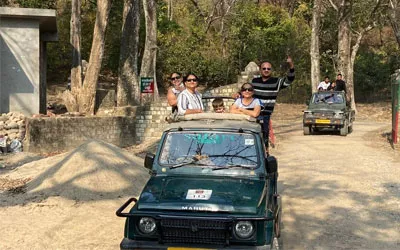
Winter is also an active period for wildlife travel. Many national parks in Central India and Rajasthan are open, and the weather is comfortable for jeep safaris. Birdwatching is especially rewarding because many migratory birds are present during the cooler months.
April to June: Summer in the Plains and Travel to the Hills
Summer arrives early in many parts of India. By April, temperatures rise in Delhi, Agra, Rajasthan, Varanasi and Central India. May and June can be very hot in the plains, with daytime temperatures often making long monument visits difficult.
This is not the best season for a classic Rajasthan itinerary unless you are comfortable with heat and plan your days carefully. Sightseeing should begin early, rest should be built into the afternoon and hotels with good air conditioning become important.
Summer is the best time to shift your route toward the mountains. Ladakh, Kashmir, Himachal Pradesh and Uttarakhand become much more accessible. Hill stations in South India, including Munnar, Ooty, Kodaikanal and Thekkady, can also be more pleasant than nearby coastal areas.
Not Sure Which Month or Route Is Right for You?
Tell us your preferred travel dates, number of days and interests. We can help you choose a practical route based on weather, wildlife seasons, road travel and the places you want to visit.
For wildlife photographers, the hot period can have advantages. In some tiger reserves, animals may spend more time near water sources. This can improve visibility, but it does not guarantee sightings. Safari temperatures can be high, so travellers should carry water, wear sun protection and book comfortable accommodation near the park.
July to September: Monsoon Season
The monsoon brings rain to much of India from roughly June to September, although the timing varies by state. Kerala usually receives rain earlier than North India. Rajasthan receives less rain than the Western Ghats, while Mumbai, Goa, Karnataka and parts of Maharashtra can receive heavy rainfall.
Monsoon travel is not automatically a bad idea. It is simply different. The countryside becomes green, waterfalls are active, hotels may be quieter and some travellers enjoy the slower pace. Kerala, Munnar, Wayanad, Coorg and parts of the Western Ghats are especially scenic during the rainy season.
Rain can affect road travel, beach activities, hiking and outdoor sightseeing. Landslides may affect some mountain roads. It is wise to plan fewer long driving days and leave extra time between flights, trains and hotel check-ins.
Ladakh is one of the important exceptions. It receives far less monsoon rainfall than most of India because it lies beyond the main rain-bearing mountains. Summer, including July and August, is one of the most practical periods for Ladakh travel.
Best Time to Visit India by Month
January: Best for Rajasthan, Kerala, Goa and Central India
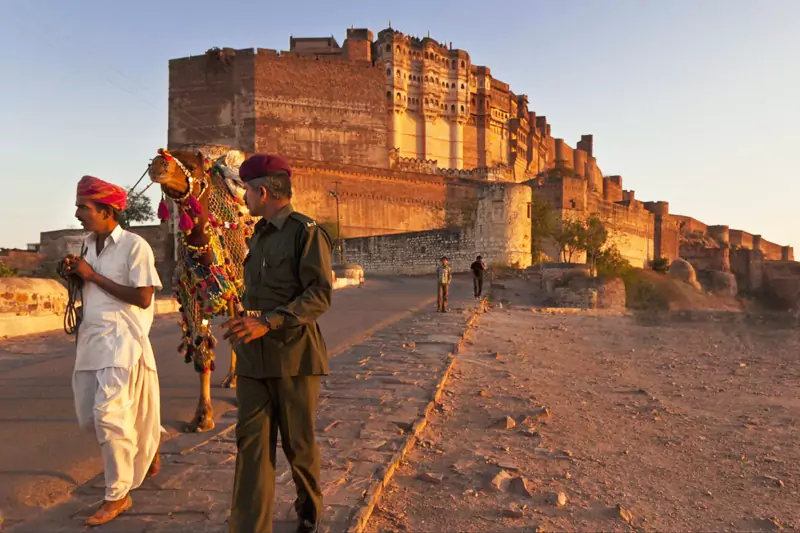
January is a good month for Rajasthan, Kerala, Goa, Tamil Nadu and Central India. Jaipur, Jodhpur, Udaipur, Jaisalmer, Agra and Varanasi are popular, although mornings can be cold in the north.
Delhi and Agra may experience fog, particularly in the early morning. This can affect flights and trains. If you are travelling on a tight schedule, avoid planning a same-day long-distance connection after a morning arrival in Delhi.
January is also a strong month for birdwatching and wildlife safaris. Tiger sightings are possible, but they are never guaranteed. The pleasant weather makes long jeep safaris more comfortable than in the peak summer heat.
February: One of the Best Months for a First India Trip
February is one of the best months to visit India for a mixed itinerary. The worst winter fog usually begins to reduce, days become warmer and Rajasthan remains pleasant. Delhi, Agra, Jaipur, Jodhpur, Udaipur, Varanasi and Madhya Pradesh all fit well into a February trip.
It is a good month for travellers who want a combination of monuments, local food, wildlife, markets and road travel. Kerala and Goa are also attractive in February, with warm weather and lower humidity than summer.
February is a busy month, so book popular hotels and safari permits early. This is especially important for Ranthambhore, Bandhavgarh, Kanha, Pench and other well-known wildlife parks.
March: Warm, Colourful and Still Good for Many Regions
March is still a good month for North India and Rajasthan, especially in the first half. Temperatures rise gradually, but mornings and evenings can remain pleasant. Holi sometimes falls in March, bringing colour festivals and local celebrations to many cities.
Travellers should check festival dates before booking. Holi can be exciting, but transport, hotel availability and local business hours may be affected in some areas. If you want to experience it, choose a city and hotel where participation is organised and safe. If you prefer quiet sightseeing, avoid travelling on the main festival day.
March is also suitable for tiger safaris, Kerala, Goa and many cultural routes. By the end of the month, daytime heat becomes more noticeable in Delhi, Agra and Rajasthan.
April: Good for Wildlife and Mountain Planning
April brings stronger heat to the plains. Rajasthan, Delhi, Agra, Varanasi and Central India can become hot during the afternoon. This is a better month for travellers who can start early and rest during the middle of the day.
April is useful for wildlife trips because some parks remain open and animal activity around water can be easier to observe. A morning and afternoon safari can still be enjoyable, but use light clothing, hats, sunscreen and plenty of water.
In the Himalayas, some lower mountain destinations begin to open up. Kashmir, Himachal Pradesh and Uttarakhand become attractive options as temperatures improve. High-altitude roads may still be affected by snow, so confirm conditions before planning a Ladakh route.
May: Best for Hills, Ladakh Planning and Some Tiger Safaris
May is one of the hottest months in most plains. Delhi, Agra, Rajasthan and Central India can be extremely hot. For many travellers, this is not the best month for a long city-and-monument tour.
Instead, consider Kashmir, Himachal Pradesh, Uttarakhand, Munnar, Ooty, Kodaikanal or other hill destinations. Some Ladakh flights operate through the year, but road access from Manali or Srinagar depends on snow clearance and local conditions.
May can be productive for serious wildlife travellers, particularly those interested in photography. The trade-off is heat. Book a lodge close to the safari gate, avoid packed schedules and allow time to rest between drives.
June: A Transition Month
June is hot in much of North and Central India before the monsoon arrives. Hill stations remain busy, and Ladakh becomes a key destination as road routes often begin to open.
Monsoon timing varies. Some southern states may already receive rain, while Rajasthan and North India can remain dry and hot for part of the month. If you travel in June, choose your route carefully and check local weather close to departure.
June can work for Ladakh, Kashmir, Himachal Pradesh, Uttarakhand and selected wildlife routes. It is less suitable for travellers who want a relaxed Rajasthan or Golden Triangle sightseeing holiday.
July: Monsoon Landscapes and Ladakh Travel
July brings monsoon rain to large parts of India. Kerala, Goa, Mumbai, Karnataka and Maharashtra may see frequent or heavy rain. This creates green scenery but can affect beach plans, road conditions and outdoor activities.
For travellers who enjoy rain, July can be rewarding in Kerala, Munnar, Wayanad, Coorg and the Western Ghats. Hotels may have lower demand than during winter, although this varies by destination.
Ladakh is often a better choice in July than most other regions because it is relatively dry. This is a good period for high-altitude scenery, monasteries and road travel, though mountain weather can still change quickly.
August: Green South India and High-Altitude Routes
August remains wet in many parts of India. Kerala and the Western Ghats are green, but heavy rain can interrupt long road journeys. Goa is quiet and scenic, though it is not the best time for a classic beach holiday focused on swimming and sun.
Ladakh remains one of the most practical destinations in August. Parts of Himachal Pradesh and Uttarakhand can receive heavy rain, and mountain roads may face landslides. Always keep a flexible schedule for Himalayan travel during the monsoon.
August can be a good choice for travellers who want fewer crowds, green landscapes and slower travel. It is not ideal for visitors who need dry weather every day.
September: End of Monsoon and a Quieter Travel Window
September is a transition month. Rain begins to reduce in some regions later in the month, while the countryside remains green. It can be a good time to travel before the busiest October-to-March season begins.
Rajasthan starts becoming more practical toward the end of September, although conditions can vary. Kerala, Karnataka and Maharashtra may still see rain. Ladakh remains accessible during much of the month, but nights become cooler.
September suits travellers who value fewer crowds and can accept some weather uncertainty. It can also be useful for photographers who prefer green landscapes over dry winter colours.
October: Start of the Main Tourist Season
October is one of the most important travel months in India. The monsoon has usually retreated from many regions, temperatures begin to reduce and Rajasthan, Delhi, Agra and Central India become more comfortable.
It is a good time to plan the Golden Triangle, Rajasthan, Varanasi and tiger safaris. Kerala and Goa also begin preparing for the main travel season, although local weather patterns can still vary.
October is popular around Indian festivals, so accommodation can fill quickly. Check dates for Diwali and other local events before finalising your itinerary.
November: Excellent for Rajasthan, Culture and Wildlife
November is one of the best months for India travel. Rajasthan has pleasant days, Delhi and Agra are usually more comfortable, and wildlife parks are active. The weather suits road trips, walking tours, fort visits and outdoor sightseeing.
It is a strong month for routes such as Delhi, Agra, Jaipur, Jodhpur, Udaipur and Jaisalmer. It also works well for Kerala, Goa, Tamil Nadu and Central India.
November is a high-demand month. Reserve hotels, domestic flights and safari permits early, especially if your trip includes popular parks or major festival dates.
December: Good Weather, More Visitors and Cooler North India
December is popular with international visitors because much of India has comfortable daytime weather. Rajasthan, Kerala, Goa, Tamil Nadu and Central India are strong choices. Delhi, Agra and Varanasi can be cold in the morning and evening.
Christmas and New Year are busy periods in Goa, Kerala, Rajasthan and major cities. Prices often increase, and popular hotels sell out early. December can also bring fog to North India, which may affect early flights and trains.
If you want a December trip, book well in advance and leave some flexibility around transport connections in Delhi and Agra.
Best Time to Visit India by Region
Best Time to Visit Rajasthan
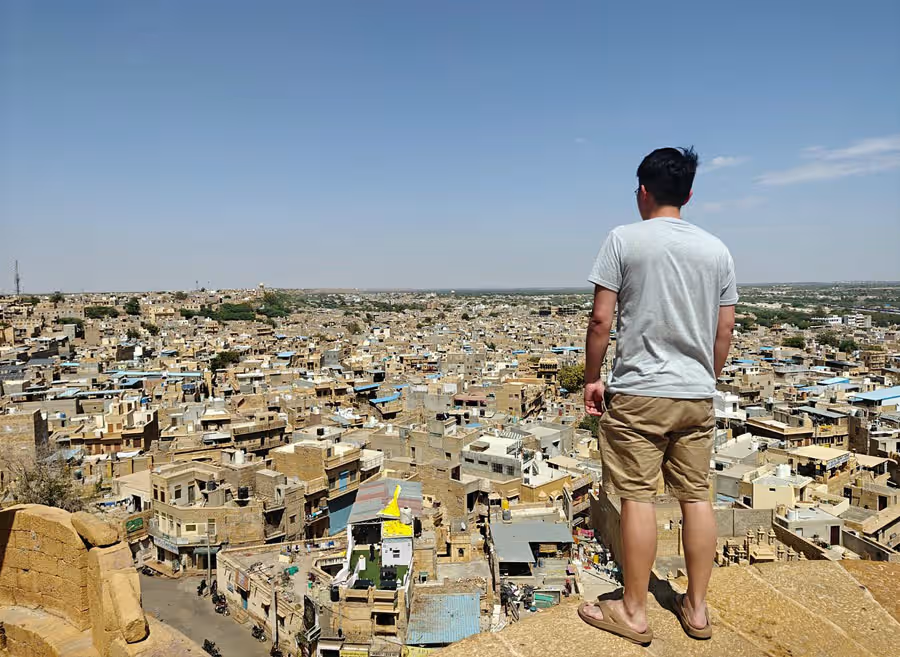
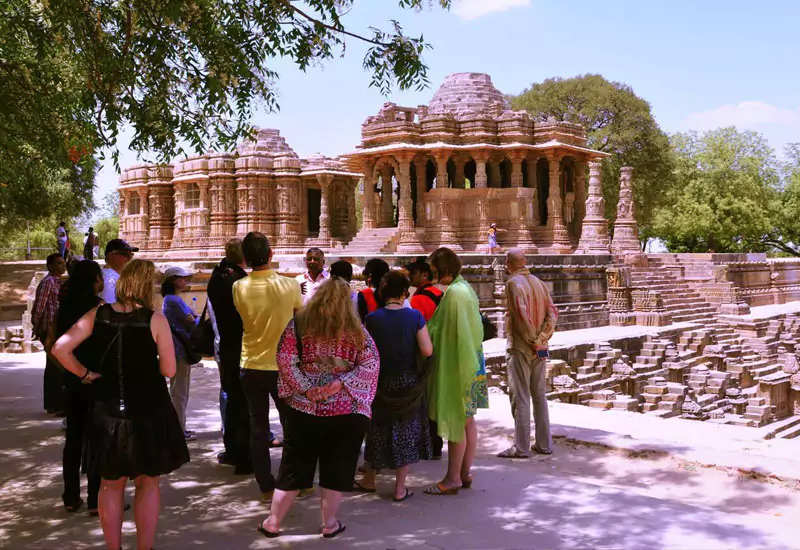
The best time to visit Rajasthan is from October to March. Jaipur, Jodhpur, Udaipur, Jaisalmer, Bikaner, Pushkar and Ranthambhore are easier to explore when days are cooler.
November, February and early March are particularly comfortable for a Rajasthan road trip. December and January mornings can be cold, especially in Jaisalmer and desert camps. April to June is very hot, although hotels may have lower rates and fewer visitors.
Rajasthan can be visited during the monsoon, especially Udaipur and Mount Abu, but rain is less predictable and desert activities may not follow the usual schedule.
Best Time to Visit Delhi, Agra and Jaipur
The Golden Triangle is best visited from October to March. November through February is usually the easiest period for sightseeing. March can still work well, especially before temperatures rise later in the month.
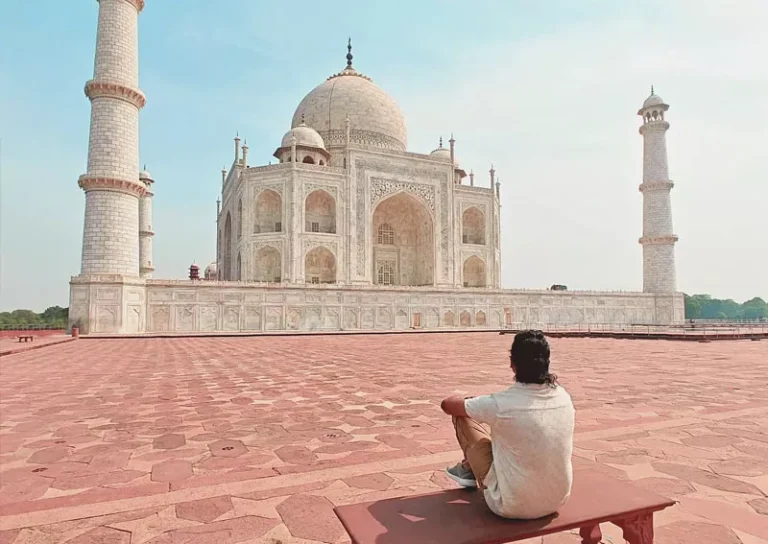
December and January can bring fog in Delhi and Agra. If the Taj Mahal is a major part of your trip, do not assume every sunrise will be clear. Plan at least one extra morning in Agra if photography matters to you.
April to June is hot, and July to September can be wet and humid. These months can still work for budget-conscious travellers who plan sightseeing early and stay in well-located hotels.
Best Time to Visit Kerala
The most popular time to visit Kerala is from October to March. The weather is generally more comfortable for backwater cruises, Kochi, Munnar, Thekkady, Alleppey, Kumarakom and beach stays.
Kerala’s monsoon season has its own appeal. Rain makes the hills green, rivers full and tea-country scenery dramatic. It is suitable for travellers who do not mind wet days and want a slower holiday. Heavy rain can affect road travel and outdoor activities, so avoid packing too many destinations into a short trip.
April and May can be hot and humid, especially along the coast. Munnar and higher hill areas are usually more comfortable than Kochi, Alleppey or beach towns during this period.
Best Time to Visit Goa
The best time to visit Goa for beaches, swimming and dry weather is from November to February. March can still be good but becomes warmer. December and New Year are the busiest and often the most expensive periods.
Goa during the monsoon is green, quiet and scenic, but it is not ideal for travellers expecting full beach activity. Sea conditions, rain and reduced seasonal services can affect the experience.
Best Time to Visit Varanasi
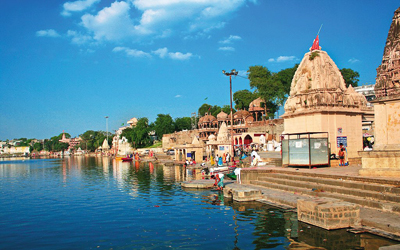
Varanasi is most comfortable from October to March. The cooler months make it easier to walk along the ghats, take boat rides and explore old lanes. November and February are often good choices.
Summer can be very hot, while monsoon rain can raise water levels along the Ganges and change access to some riverfront areas. Travel is still possible, but the experience differs from the dry season.
TRAVEL AT THE RIGHT TIME
Tell Us When You Want to Travel. We Will Help Plan the Route.
Planning India is easier when the route matches the season. Share your travel month, number of days and interests, and we can suggest places that fit your weather preferences, wildlife plans and travel pace.
- Rajasthan, Delhi and Agra in the cooler months
- Tiger safaris based on park opening dates and permits
- Kerala, Goa, Ladakh and Himalayan routes by season
When are you planning to visit India?
Share Your Travel Dates Ask on WhatsAppCustom routes for culture, wildlife, road trips and family travel.
Best Time to Visit Mumbai and Western India
Mumbai is most comfortable from November to February. March to May becomes hotter and more humid. The monsoon, usually from June to September, brings heavy rain and can affect road traffic and local transport.
Maharashtra’s hill stations and parts of the Western Ghats are especially green during monsoon. This is good for travellers who enjoy rain, waterfalls and indoor-focused stays rather than a packed city itinerary.
Best Time to Visit Ladakh
The best time to visit Ladakh is generally from late May to September. This is when road travel, hotels and sightseeing services are most widely available. June, July and August are popular for travellers arriving by flight or taking road routes from Manali and Srinagar.
Ladakh has cold winters, and many places become difficult to reach by road. Winter travel is possible by air for experienced visitors who are prepared for very low temperatures and limited services.
Altitude is an important factor in Ladakh. Spend at least one or two days acclimatising in Leh before travelling to high passes, lakes or remote valleys.
Best Time to Visit Kashmir, Himachal Pradesh and Uttarakhand
For Kashmir, Himachal Pradesh and Uttarakhand, April to June is popular for mild mountain weather. September and October can also be beautiful, with clearer skies and autumn colours in some areas.
Winter is suitable for travellers who want snow in places such as Gulmarg, Manali, Auli or Shimla. Road access can be affected by snow, so keep plans flexible.
Monsoon can bring heavy rainfall, landslides and road disruptions to Himachal Pradesh and Uttarakhand. If travelling in July or August, allow extra travel time and avoid tight connections.
Best Time for Tiger Safaris in India
The best time for a tiger safari in India depends on the park, your comfort with heat, your travel dates and the type of wildlife experience you want. Most central Indian tiger parks operate through much of the period from October to June, although individual zones and dates vary.
For pleasant weather, November to March is often a strong choice. Forests are comfortable to explore, mornings are cool and the heat is manageable. For birdwatching, winter can be especially rewarding.
For tiger photography and tracking, April to June can be productive in some parks because water sources become more important for wildlife. However, this comes with very hot weather. It is a good option for travellers who are prepared for early starts and intense afternoon heat.
Popular parks include Bandhavgarh, Kanha, Pench, Panna, Satpura, Tadoba, Ranthambhore, Sariska, Jim Corbett and Pilibhit. Each park has different zones, permit systems, accommodation options and seasonal conditions. Do not select a park only because it has a reputation for tiger sightings. Choose based on your dates, budget, safari availability and the full wildlife experience you want.
Remember that tiger sightings are never guaranteed. Safaris take place in natural habitats, and animals move freely. Multiple safaris improve your chances, but they do not create certainty.
Best Time for Beach Holidays in India
For Goa, Kerala beaches and much of the west coast, November to February is usually the best period for dry weather and beach time. March can still work, although temperatures rise. April and May can be hot and humid.
For Tamil Nadu and the southeast coast, rainfall patterns differ from the west coast. The northeast monsoon can affect Tamil Nadu later in the year, especially around October and November. Check local weather when planning Chennai, Pondicherry or Mahabalipuram.
If your main goal is swimming, sunbathing and water activities, avoid relying on the monsoon season. If you want green scenery, quiet hotels and rain, monsoon travel can still be enjoyable.
How to Choose the Best Month for Your India Trip
Start with your available travel dates. Then build the route around the weather instead of trying to force every destination into one trip.
If you have two weeks in November, a Rajasthan and Golden Triangle route makes sense. If you have two weeks in May, shift toward Kashmir, Himachal Pradesh, Ladakh or South Indian hills. If you only have August available, consider Ladakh or a slower Kerala monsoon journey rather than a beach-heavy Goa itinerary.
Think about your priorities:
- Culture and monuments: October to March is usually best.
- Rajasthan road trip: October to March is most comfortable.
- Tiger safaris: November to June, depending on weather preferences and park rules.
- Ladakh and high mountains: Late May to September.
- Kerala and South India: October to March for drier travel; monsoon for rain and green scenery.
- Goa beach holiday: November to February.
- Snow experiences: December to February in suitable Himalayan destinations.
What to Pack for India by Season
Your packing list should match your route, not just the month. A December trip covering Delhi, Rajasthan and Kerala needs both light layers and warm clothing. A summer Himalayan trip needs sun protection as well as warm clothes for evenings.
For October to March
Pack light cotton clothes for daytime, a warm layer for mornings and evenings, comfortable walking shoes, sunglasses and sunscreen. In Delhi, Agra, Rajasthan and Central India, winter mornings can be cool. In the mountains, proper jackets, gloves and warm footwear may be necessary.
For April to June
Carry breathable clothing, a sun hat, sunglasses, sunscreen, refillable water bottle and light shoes. For wildlife safaris, neutral-coloured clothes are practical. For mountain routes, add a warm jacket because evenings can remain cold at higher altitudes.
For July to September
Pack a light rain jacket, quick-drying clothes, waterproof footwear or sandals, insect repellent and a waterproof cover for electronics. In mountain regions, keep essential medicines and extra travel time because rain can delay road journeys.
Final Advice: Plan India by Region, Not by a Single Season
The best time to visit India is not one fixed month for every traveller. October to March is the most reliable answer for a first trip covering Rajasthan, Delhi, Agra, Varanasi, Central India and much of South India. It offers the easiest balance of weather, transport and sightseeing.
Summer is best used for mountains, Ladakh, Kashmir, Himachal Pradesh, Uttarakhand and selected wildlife safaris. Monsoon is suitable for travellers who enjoy green landscapes, fewer crowds and flexible plans, especially in Kerala and the Western Ghats.
Choose the month first. Then select the regions that work well in that season. This simple approach will help you avoid unnecessary heat, rain disruptions and long travel days, while making the most of your time in India.
Frequently Asked Questions About the Best Time to Visit India
Use these practical answers to choose the right month and region for your India trip.
What is the best time to visit India?
For most first-time visitors, October to March is the best time to visit India. The weather is usually more comfortable for Rajasthan, Delhi, Agra, Varanasi, Central India and much of South India. The right time can still vary by region, especially if you are travelling to the Himalayas, Ladakh or Kerala during the monsoon.
Which month is best for a first trip to India?
November, February and early March are often good choices for a first India trip. These months usually offer pleasant conditions for the Golden Triangle, Rajasthan, Varanasi, Kerala and many wildlife destinations. December and January are also popular, although North India can be cold and foggy in the mornings.
Is October a good time to visit India?
Yes. October is the start of the main travel season in many parts of India. The monsoon has usually reduced, temperatures begin to fall and Rajasthan, Delhi, Agra, Varanasi and Central India become more comfortable for sightseeing. Some areas may still receive occasional rain early in the month.
What is the best time to visit Rajasthan and the Taj Mahal?
October to March is usually the best period for Rajasthan and the Taj Mahal. November, February and March are often especially comfortable for sightseeing. December and January can be cold in the early morning, and fog may sometimes reduce visibility around Delhi and Agra.
What is the best time for a tiger safari in India?
Many tiger parks are most practical from October to June, subject to local park rules and zone availability. November to March is more comfortable for safari weather. April to June can offer better wildlife visibility near water sources in some parks, but temperatures can be very high. Tiger sightings are never guaranteed in any season.
Can I visit India during the monsoon season?
Yes, but choose your route carefully. The monsoon usually runs from June to September and brings rain to many regions. Kerala, Munnar, Wayanad, Coorg and the Western Ghats can be beautiful and green during this period. Heavy rain can affect road journeys, beach activities and some mountain routes, so keep your itinerary flexible.
What is the best time to visit Kerala and Goa?
October to March is generally the best time for Kerala and Goa if you prefer drier weather and beach time. Kerala can also be rewarding in the monsoon for travellers who enjoy rain and green scenery. Goa is quieter during the monsoon, but sea conditions and beach activities may be limited.
When is the best time to visit Ladakh and the Himalayas?
Ladakh is usually best visited from late May to September, when roads, hotels and sightseeing services are more widely available. Kashmir, Himachal Pradesh and Uttarakhand are popular from April to June and again in September or October. Mountain weather can change quickly, so allow extra time for road travel.
Is summer a good time to visit India?
Summer can be very hot in Rajasthan, Delhi, Agra, Varanasi and much of Central India. It is better suited to hill stations and mountain regions such as Ladakh, Kashmir, Himachal Pradesh, Uttarakhand, Munnar, Ooty and Kodaikanal. Summer can also suit travellers planning wildlife safaris who are prepared for hot conditions.
How should I plan an India trip around the weather?
Start with your available travel dates, then choose regions that suit that season. For example, plan Rajasthan and the Golden Triangle in winter, mountain regions in summer and selected monsoon-friendly destinations during the rainy months. Build in rest days and flexible travel time, especially during winter fog or monsoon rain.