

Delhi Ranthambore Jaipur Corbett Pilibhit Dudhwa Varanasi Tour
Design your ideal 17 days itinerary with our comprehensive guide. Discover the best places to visit, must-try experiences, and hidden gems.
Delhi Ranthambore Jaipur Corbett Pilibhit Dudhwa Varanasi Tour
Duration: 16 Nights / 17 Days
Destinations Covered: Delhi – Ranthambhore – Jaipur – Mathura – Corbett – Pilibhit – Dudhwa – Ayodhya – Varanasi
Tour Highlights
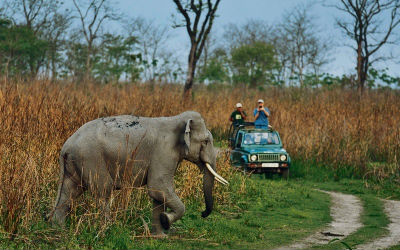
- Thrilling wildlife safaris in Ranthambhore, Corbett, Pilibhit, and Dhudhwa National Parks.
- Exploring the historical forts and palaces.
- Visiting the birthplace of Lord Krishna in Mathura.
- Discovering the ancient temples and spiritual significance of Ayodhya.
- Experiencing the spiritual rituals and cultural richness of Varanasi,
Detailed Itinerary
Embark on a mesmerizing 17-day journey through the diverse landscapes of India, exploring captivating wildlife reserves and rich cultural heritage sites. From the majestic Ranthambore National Park to the vibrant cities of Jaipur and Varanasi, this tour offers a perfect blend of thrilling wildlife safaris, historical monuments, and spiritual experiences. Discover the birthplace of Lord Krishna in Mathura, witness the ancient temples of Ayodhya, and immerse yourself in the spiritual ambiance of Varanasi.Day 01: Arrival in Delhi – Gateway to Your Indian Wildlife & Heritage Journey
Your extraordinary 17-day India wildlife and cultural tour begins today as you arrive at Indira Gandhi International Airport, New Delhi. Our professional tour representative will be waiting to greet you at the arrival terminal and assist with a smooth transfer to your pre-booked hotel in Delhi.
New Delhi, the vibrant capital city of India, serves as the perfect starting point for this grand journey that will take you through some of the country's most celebrated tiger reserves, national parks, and spiritual pilgrimage cities. Depending on your arrival time, you may choose to explore the surroundings of Connaught Place, enjoy a local dinner, or simply rest and prepare for the exciting days ahead.
Your tour manager will brief you about the journey, hand over safari permits, and discuss the detailed plan for the coming days. Overnight stay at your hotel in Delhi.
Day 02: Delhi to Ranthambore – Into the Land of the Tiger
Rise early for a thrilling start to your wildlife adventure. After a quick breakfast at the hotel, you will be transferred to the railway station to board your train to Sawai Madhopur, the gateway town to Ranthambore National Park. The train departs around 06:30 AM and arrives at Sawai Madhopur at approximately 11:30 AM.
Upon arrival, our driver will pick you up and transfer you to your jungle lodge or wildlife resort near Ranthambore. After checking in and freshening up, enjoy a leisurely lunch before preparing for your very first Ranthambore jeep safari in the afternoon session.
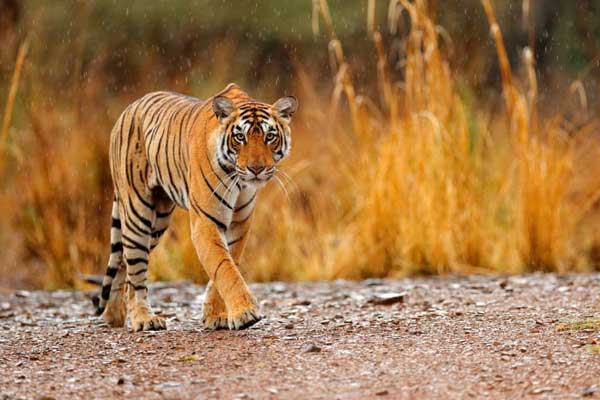
Ranthambore National Park, located in the Sawai Madhopur district of Rajasthan, is one of the largest and most renowned national parks in northern India. It is famous for its Bengal tiger population, ancient Ranthambore Fort (a UNESCO World Heritage Site), and diverse ecosystems ranging from dry deciduous forests to open grasslands and lakes. The park is home to leopards, sloth bears, crocodiles, hyenas, jackals, and over 300 species of birds.
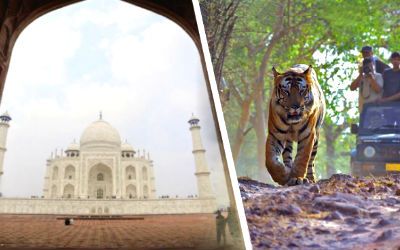
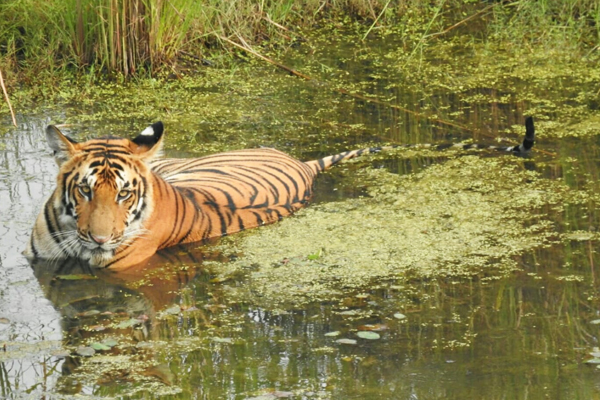
Your afternoon safari will take you deep into the park's core zones, offering excellent chances of spotting the elusive Royal Bengal Tiger in its natural habitat. Overnight stay at your wildlife resort in Ranthambore.
Day 03: Ranthambore Safari – Full Day in the Tiger's Kingdom
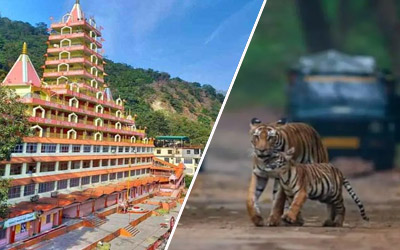
Today is entirely dedicated to exploring the rich biodiversity of Ranthambore National Park. Begin your day before sunrise with an exhilarating morning Ranthambore jeep safari, entering the park as the golden light filters through the forest canopy. Early mornings are the best time for tiger sightings as these magnificent predators are most active during the cooler hours.
Ranthambore's famous zones — including Zone 1 (Lakarda & Anantpura), Zone 3 (Rajbagh), and Zone 4 (Malik Talao) — each offer unique landscapes and wildlife experiences. You may encounter tigers resting by the scenic lakes, spotted deer grazing in open meadows, sambar deer near the water bodies, and marsh crocodiles basking on the banks of Padam Talao.
Return to the resort for a hot breakfast and mid-day rest. In the afternoon, head out again for a second evening safari, this time exploring different zones of the park. The late afternoon light creates a magical atmosphere perfect for wildlife photography. Keep your camera ready for tigers, leopards, Indian star tortoises, and the park's iconic Jogi Mahal ruins set against the ancient fort backdrop.
After returning from the evening safari, enjoy dinner at the resort while sharing wildlife stories from the day. Overnight stay at your hotel in Ranthambore.
Day 04: Ranthambore to Jaipur – From the Wilderness to the Pink City
Start your morning with one final sunrise safari in Ranthambore before bidding farewell to this iconic tiger reserve. After the safari, return to the hotel for breakfast and check-out.
Following breakfast, your private air-conditioned vehicle will drive you to Jaipur, the capital of Rajasthan, often called the Pink City of India. The drive from Sawai Madhopur to Jaipur takes approximately 3–4 hours through the scenic Rajasthan countryside, passing through small towns, rocky terrain, and historic landscapes.
Upon arrival in Jaipur, check in at your hotel and relax. In the evening, you may take a stroll through the colourful lanes of the Johri Bazaar or the bustling Bapu Bazaar to pick up Rajasthani handicrafts, textiles, gems, and jewellery. Jaipur is renowned for its vibrant markets, royal cuisine, and its position as a key destination on the world-famous Golden Triangle Tour (Delhi – Agra – Jaipur). Overnight stay in Jaipur.
Day 05: Jaipur Exploration – Palaces, Forts & Royal Rajasthan
Today is a full-day guided sightseeing tour of Jaipur, one of India's most historically rich and architecturally stunning cities. Jaipur was founded in 1727 by Maharaja Sawai Jai Singh II and is a designated UNESCO World Heritage City.
Begin your morning with a visit to the magnificent Amber Fort (Amer Fort), perched dramatically on the Aravalli Hills overlooking Maota Lake. Explore its stunning Sheesh Mahal (Palace of Mirrors), Diwan-e-Aam (Hall of Public Audience), and intricate Rajput-Mughal architecture. From Amber Fort, proceed to the Jaigarh Fort for panoramic views of the city and the famous Jaivana cannon — once the world's largest wheeled cannon.
Continue to the City Palace, a sprawling royal complex in the heart of Jaipur that houses museums displaying royal costumes, weapons, and manuscripts. Adjacent to the City Palace is the Jantar Mantar, an 18th-century astronomical observatory and another UNESCO World Heritage Site, featuring the world's largest stone sundial.
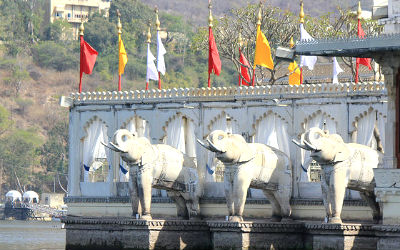
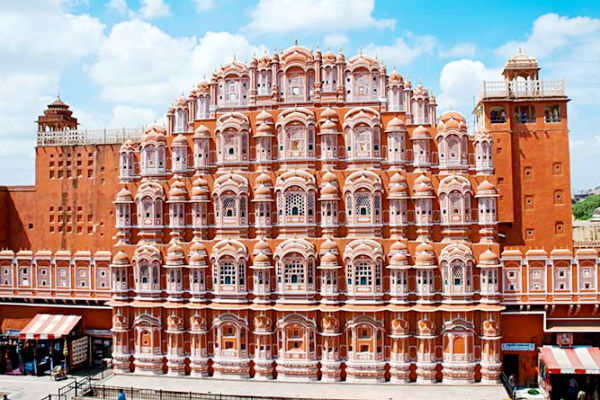
No visit to Jaipur is complete without stopping at the iconic Hawa Mahal (Palace of Winds), the stunning five-storey honeycombed façade built to allow royal ladies to observe street festivities while maintaining purdah. In the afternoon, visit the Albert Hall Museum and explore the local markets for Rajasthani blue pottery, block-printed fabrics, and traditional mojri footwear.
End the day with a delicious Rajasthani thali dinner featuring Dal Baati Churma, Gatte ki Sabzi, Ker Sangri, and more. Overnight stay in Jaipur.
Day 06: Jaipur to Mathura – The Sacred Birthplace of Lord Krishna
After a leisurely breakfast at your hotel, check out and begin your scenic drive to Mathura, one of India's seven sacred cities (Sapta Puri) and the birthplace of Lord Krishna. The drive from Jaipur to Mathura takes approximately 4–5 hours via the Agra–Jaipur Highway, passing through the Bharatpur region and the Braj cultural heartland.
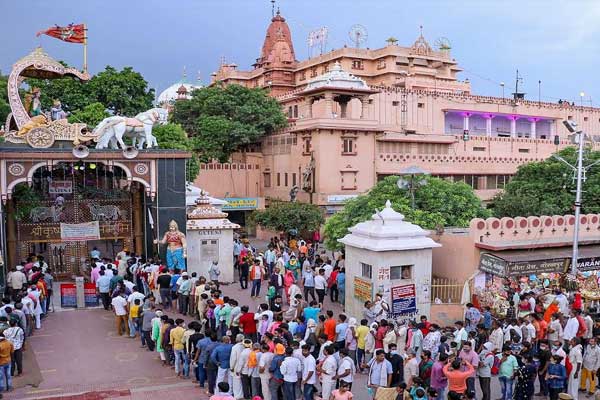
Arrive in Mathura by early afternoon and check in at your hotel. After freshening up, begin your evening temple tour of this ancient city. Your first stop is the holiest site — the Shri Krishna Janmabhoomi Temple, built at the exact spot believed to be the prison cell where Lord Krishna was born to Devaki and Vasudeva. The complex includes a beautifully carved temple and the adjacent Katra Keshav Dev Temple.
Next, visit the grand Dwarkadhish Temple — a magnificent 19th-century temple dedicated to Lord Krishna in his form as the King of Dwarka. In the evening, witness the beautiful aarti ceremony at the Vishram Ghat on the banks of the holy Yamuna River, where devotees gather to offer prayers and float diyas (oil lamps) on the sacred water. The atmosphere is deeply spiritual and mesmerizing, especially at sunset.
Mathura also offers visits to other important temples including Banke Bihari Temple (nearby Vrindavan), Radha Raman Temple, and the famous ISKCON Vrindavan if time permits. Overnight stay at your hotel in Mathura.
Day 07: Mathura to Jim Corbett National Park – The Realm of the Jungle King
After an early breakfast, check out from your Mathura hotel and begin your road journey to Jim Corbett National Park in Uttarakhand, the oldest and most celebrated national park in India. The drive from Mathura to Corbett takes approximately 6–7 hours, passing through the bustling city of Moradabad, the foothills of the Shivalik range, and the lush Ramganga River valley.
Jim Corbett National Park, established in 1936 as Hailey National Park, was the first national park in India and the birthplace of Project Tiger. Nestled in the Nainital district of Uttarakhand and spread across approximately 1,318 sq km, the park is renowned for its dense sal forests, riverine grasslands, hilly terrain, and one of the highest tiger densities in India.
Arrive at your jungle resort near Dhikala or Ramnagar in the late afternoon. Check in, enjoy a welcome drink, and settle into the magical ambiance of the Corbett wilderness. Hear the sounds of the jungle as you relax on your cottage veranda — the distant call of a peacock, the alarm call of a spotted deer, or the splash of a mahseer in the Ramganga River. Overnight stay at your resort in Corbett.
Day 08: Jim Corbett Safari – India's Most Iconic Tiger Reserve
Dedicate an entire day to exploring the extraordinary biodiversity of Jim Corbett National Park. Your morning safari takes you through the park's best zones — the Dhikala Zone (the largest and most popular zone featuring open grasslands and excellent tiger sighting opportunities), the Bijrani Zone (known for dense sal forests and diverse wildlife), or the Jhirna Zone (open throughout the year, famous for sloth bear sightings).
Jim Corbett is home to not just tigers but also Asian elephants, leopards, sloth bears, gharials, king cobras, and over 600 species of birds including the Great Hornbill, Pied Kingfisher, Crested Serpent Eagle, and many species of owls and raptors — making it a paradise for both wildlife enthusiasts and birdwatchers.
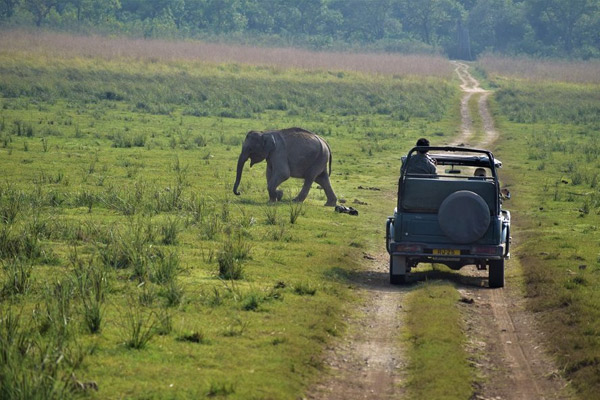
Return to the resort for a hearty breakfast and rest during midday. Your afternoon safari offers another exciting opportunity to encounter wildlife in different lighting conditions. Keep an eye out for tigers crossing the road, elephants bathing in the river, and colorful birds perched in the treetops. Overnight stay in Corbett.
Day 09: Corbett to Pilibhit Tiger Reserve – Discovering India's Hidden Gem
Begin the day with a final morning jeep safari in Jim Corbett before checking out. After breakfast, your private vehicle will drive you to Pilibhit Tiger Reserve in Uttar Pradesh, approximately 4 hours from Corbett via the Terai foothills.
Pilibhit Tiger Reserve is one of India's newest and most rapidly growing tiger reserves, declared a Tiger Reserve in 2014. Spread across approximately 730 sq km in the Terai Arc Landscape along the Indo-Nepal border, Pilibhit is known for its extraordinarily high tiger-to-area ratio, making it one of the most productive tiger habitats in the country. The reserve encompasses dense sal forests, tall grass prairies, oxbow lakes, and rich wetland ecosystems of the Upper Gangetic Plain.
Arrive at Pilibhit in the late afternoon, check in at your guesthouse or forest lodge, and enjoy a quiet evening surrounded by the sounds of the Terai wilderness. Overnight stay in Pilibhit.
Day 10: Pilibhit Tiger Reserve Safari – The Terai's Best-Kept Secret
Today you experience the raw, untouched beauty of Pilibhit Tiger Reserve with both a morning and afternoon jeep safari. Unlike the more crowded tiger reserves of Ranthambore and Corbett, Pilibhit offers a much more exclusive and intimate wildlife experience with far fewer tourists and vehicles.
The reserve is home to tigers, leopards, swamp deer (Barasingha), hispid hare (one of India's most endangered small mammals), fishing cats, smooth-coated otters, and a spectacular array of wetland birds including the Bengal florican — one of the world's most critically endangered birds. The Sharda and Khakrivers flowing through the reserve create a pristine wetland corridor that supports extraordinary biodiversity year-round.
After returning from your morning safari, enjoy lunch at the forest lodge and rest during the midday heat. Your afternoon safari explores different sections of the reserve, offering fresh sighting possibilities as the forest comes alive again in the golden evening light. Overnight stay in Pilibhit.
Day 11: Pilibhit to Dudhwa National Park – The Land of the Barasingha
After an early breakfast, check out and drive to Dudhwa National Park in the Lakhimpur Kheri district of Uttar Pradesh — approximately a 3-hour drive through the vast Terai flatlands along the India-Nepal border. The journey itself is scenic, passing through sugarcane fields, small riverside villages, and dense forest patches of the Terai Arc Landscape.
Dudhwa National Park, declared a Tiger Reserve in 1988, is one of the most biologically diverse ecosystems in the entire Indian subcontinent. The park encompasses three protected areas — Dudhwa National Park, Kishanpur Wildlife Sanctuary, and Katarniaghat Wildlife Sanctuary — together forming the Dudhwa Tiger Reserve, spanning over 1,284 sq km of pristine Terai habitat.
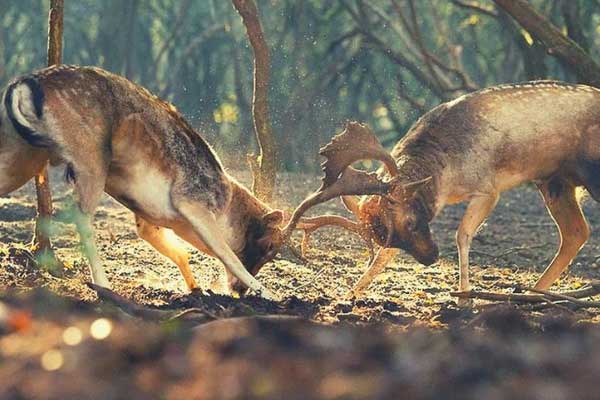
Dudhwa is especially famous for its resident population of the endangered Swamp Deer (Barasingha), Indian one-horned rhinoceros (successfully reintroduced here), tigers, leopards, elephants, and over 400 species of birds. The tall elephant grass meadows (Terai grasslands) and dense sal and teak forests create a dramatic and wild landscape unlike any other in northern India.
Arrive at Dudhwa by early afternoon, check in at the forest rest house or nature lodge, and enjoy an afternoon jeep safari to get your first glimpse of this remarkable wilderness. Overnight stay in Dudhwa.
Day 12: Dudhwa National Park Safari – Deep Into the Terai Wilderness
Spend the full day exploring the untamed wilderness of Dudhwa National Park with both morning and afternoon safaris. At dawn, enter the park as the mist rises from the grasslands and the forest awakens with birdsong. This is one of the best times to spot the Bengal tiger patrolling its territory through the tall grass corridors.
Dudhwa offers a variety of safari experiences — jeep safari, elephant-back safari (in select zones), and the unique experience of exploring the park on the back of a trained elephant through areas inaccessible to jeeps. Keep your binoculars ready for rare sightings of the Bengal florican, Sarus crane (the world's tallest flying bird), Greater adjutant stork, and the elusive fishing cat.
The Sathiana and Bankati ranges of Dudhwa are particularly rich in wildlife during the winter months. The park's numerous oxbow lakes (jheel) attract large flocks of migratory birds from Central Asia and Siberia, making Dudhwa an exceptional birdwatching destination between November and March.
Return to the lodge for dinner and share your wildlife sightings with fellow travelers and naturalists over a warm campfire. Overnight stay in Dudhwa.
Day 13: Dudhwa to Ayodhya – Journey to the Birthplace of Lord Ram
After breakfast and check-out, your private vehicle drives you south-east to Ayodhya, one of the holiest cities in Hinduism and the birthplace of Lord Ram — the seventh avatar of Lord Vishnu. The drive from Dudhwa to Ayodhya takes approximately 4–5 hours through the fertile plains of Uttar Pradesh.
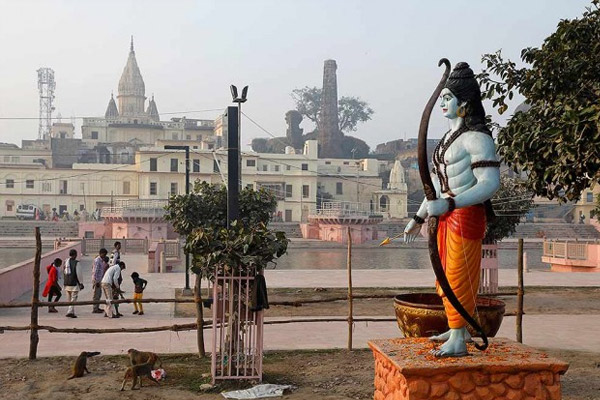
Ayodhya, situated on the banks of the sacred Sarayu River, is one of India's seven most sacred pilgrimage cities (Sapta Puri). This ancient city holds immense religious and cultural significance for millions of Hindus, Jains, and Buddhists across the world. In recent years, Ayodhya has undergone remarkable transformation with the construction of the grand Ram Mandir (Ram Temple), inaugurated in January 2024, which now stands as one of the most visited religious sites in India.
Arrive in Ayodhya by early afternoon and check in at your hotel. In the evening, visit the Ram Ki Paidi Ghats on the banks of the Sarayu River to witness the mesmerizing evening aarti ceremony. The illuminated ghats, floating diyas, and chanting of hymns create a deeply moving spiritual experience.
Note: Ayodhya is a planned overnight stopover on this itinerary to avoid a long unbroken journey from Dudhwa to Varanasi, ensuring a comfortable and relaxed travel experience for all guests. Overnight stay in Ayodhya.
Day 14: Ayodhya to Varanasi – From Ram's City to the City of Shiva
Begin your morning with a visit to the most sacred sites of Ayodhya. Your first stop is the awe-inspiring Ram Janm Bhumi Temple (Ram Mandir), the newly constructed grand temple built on the site believed to be the exact birthplace of Lord Ram. The temple's intricate Nagara-style architecture, towering shikhara, and exquisitely carved pink sandstone are a testament to India's rich spiritual heritage and craftsmanship.
Also visit the ancient Hanuman Garhi Temple — a 10th-century hilltop fortress temple dedicated to Lord Hanuman — and Kanak Bhawan Temple, revered as one of the most beautiful temples in Ayodhya, adorned with intricate gold and silver idols of Ram and Sita.
After a fulfilling morning of spiritual sightseeing, check out and begin your 5-hour drive to Varanasi, one of the world's oldest continuously inhabited cities and the spiritual capital of India. The drive passes through the lush Ganga plains of eastern Uttar Pradesh, offering beautiful countryside views.
Arrive in Varanasi by late afternoon and check in at your hotel near the iconic ghats of the River Ganges. As the sun sets, take a leisurely walk to the ghats to absorb the electric spiritual atmosphere of this timeless city. Overnight stay in Varanasi.
Day 15: Varanasi Exploration – The Eternal City on the Ganges
Today is a full and deeply enriching day of spiritual and cultural exploration in Varanasi (Banaras / Kashi) — one of the world's oldest living cities, believed to be over 3,000 years old and one of the holiest pilgrimage destinations for Hindus worldwide.
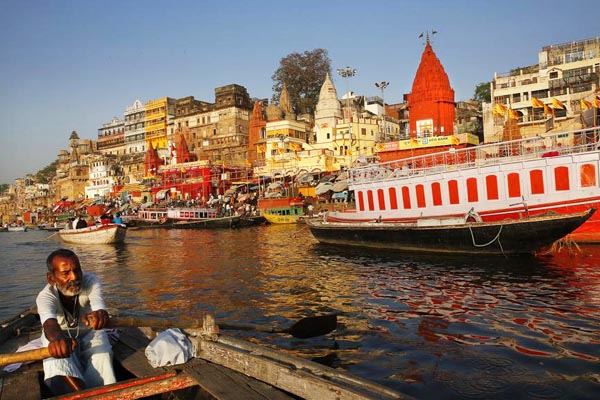
Begin your day before sunrise with a magical early morning boat ride on the holy River Ganges. As your wooden boat gently glides along the river, watch the city wake up — pilgrims taking a holy dip at the ghats, priests offering prayers, smoke rising from the ancient Manikarnika Ghat (Burning Ghat), and the golden morning light reflecting on the water. This is one of the most iconic and unforgettable travel experiences in all of India.
After the boat ride and breakfast, begin your guided city tour of Varanasi. Visit the sacred Kashi Vishwanath Temple — one of the twelve Jyotirlingas (sacred abodes of Lord Shiva) and the most important Shiva temple in the world. The newly expanded Kashi Vishwanath Corridor (Vishwanath Dham), inaugurated in 2021, offers pilgrims and visitors a breathtaking walkway connecting the temple directly to the Ganges ghats.
Also explore the Tulsi Manas Temple, built at the site where the great saint-poet Tulsidas composed the Ramcharitmanas; the Durga Kund Temple; and the vibrant lanes of the old city (Vishwanath Gali) filled with the aroma of incense, freshly made paan, and local silk shops.
In the late afternoon, drive to Sarnath — located just 10 km from Varanasi — the place where Gautama Buddha delivered his first sermon (Dhammacakkappavattana Sutta or the "Setting in Motion of the Wheel of Dharma") after attaining enlightenment at Bodh Gaya. Visit the Dhamek Stupa (built in 500 CE), the Sarnath Museum (home to the original Lion Capital of Ashoka — India's national emblem), and the ruins of ancient Buddhist monasteries that once made Sarnath one of the greatest Buddhist learning centres in the ancient world.
Return to Varanasi in the evening for the grand finale of your day — the spectacular Ganga Aarti ceremony at Dashashwamedh Ghat. Performed every evening at sunset, this elaborate ritual involves dozens of priests simultaneously performing synchronized aarti (worship with fire) using large brass lamps, accompanied by the resonant sound of conch shells, bells, and Vedic chants. The reflection of flickering flames on the Ganges creates a breathtakingly beautiful and profoundly spiritual atmosphere that stays with visitors forever.
Return to your hotel for a late dinner and a final night in the City of Light. Overnight stay in Varanasi.
Day 16: Varanasi to Delhi – Farewell to the Sacred Ganges Plains
After a relaxed breakfast, enjoy the morning at leisure. You may choose to revisit any favourite ghats, pick up locally famous Banarasi silk sarees and scarves, aromatic Banarasi paan, wooden toys, or brass and bronze handicrafts as souvenirs from this timeless city.
After lunch, your tour representative will transfer you to either Lal Bahadur Shastri International Airport, Varanasi for a short flight back to Delhi (approximately 1.5 hours), or to the Varanasi Railway Station to board a train to Delhi (options include the Vande Bharat Express, Kashi Vishwanath Express, or Mahanagari Express — approximately 8–10 hours depending on train selection).
Arrive in Delhi late evening and check in at your Delhi hotel for a final night's rest. Reflect on the extraordinary journey you have just completed — from the jungles of Ranthambore, Corbett, Pilibhit, and Dudhwa to the sacred cities of Mathura, Ayodhya, and Varanasi. Overnight stay in Delhi.
Day 17: Departure from Delhi – End of an Unforgettable Indian Adventure
Your remarkable 17-day Delhi Ranthambore Jaipur Corbett Pilibhit Dudhwa Varanasi Tour comes to a memorable conclusion today. After breakfast and check-out, your driver will transfer you to Indira Gandhi International Airport, New Delhi in time for your onward flight back home.
As you depart, carry with you the memories of a Bengal tiger emerging from the tall grass of Ranthambore at dawn, the pink palaces of Jaipur glowing in the morning sun, the sacred ghats of Varanasi lit by a thousand oil lamps, the ancient chants of Ayodhya, and the wild, misty mornings of Dudhwa and Pilibhit. This journey has taken you through the very soul of India — its wildlife, its spirituality, its history, and its timeless cultural heartbeat.
We look forward to welcoming you back on another unforgettable journey with Cultural Safari Tours.
Tour Inclusions
- 16 nights accommodation in comfortable hotels/lodges/forest rest houses as per selected category
- Daily breakfast and dinner (MAP) at all destinations
- All transfers and sightseeing by private air-conditioned vehicle
- Delhi to Ranthambore train tickets (2nd AC) on Day 02
- All wildlife safari charges
English-speaking naturalist/guide during all wildlife safaris - Full-day guided sightseeing of Jaipur (Amber Fort, City Palace, Hawa Mahal, Jantar Mantar)
- Guided sightseeing of Ayodhya (Ram Janm Bhumi, Hanuman Garhi)
- Early morning boat ride on the holy River Ganges in Varanasi
- Sarnath sightseeing (museum + Dhamek Stupa)
- All toll taxes, parking charges, and driver allowance
- GST as applicable on tour operator services
Tour Exclusions
- Airfare / train fare (except Delhi–Ranthambore train on Day 02)
- Varanasi to Delhi return journey ticket on Day 16 (can be arranged on request)
- Lunches at all destinations
- Monument and museum entry fees (Amber Fort, City Palace, Sarnath Museum, etc.)
- Camera/video fees at national parks and monuments
- Elephant ride at Amber Fort, Jaipur (if opted)
- Personal expenses – laundry, tips, telephone calls, room service
- Travel insurance (highly recommended – can be arranged on request)
- Tips/gratuities for drivers, guides, naturalists, and hotel staff
- Costs due to natural calamities, road blockages, park closures, or political unrest
- Safari cancellation due to bad weather or park authority restrictions
- Alcoholic and non-alcoholic beverages (unless specified in meal plan)
- Anything not specifically mentioned under Tour Inclusions
FAQs
Q. What is the best time to book this tour?The best time is October to March. All four national parks – Ranthambore, Corbett, Pilibhit, and Dudhwa – are open with excellent wildlife sighting opportunities. Avoid May–June as extreme heat and park closures may affect the experience.
Q. Is this tour suitable for families with children?
Yes, it is family-friendly. Children above the age of 5 are generally permitted on jeep safaris (subject to individual park rules). Destinations like Mathura, Ayodhya, and Varanasi are highly suitable for all age groups.
Q. How many wildlife safaris are included in this tour?
The tour includes a total of 9 wildlife safaris: Ranthambore (3 safaris), Jim Corbett (2 safaris), Pilibhit Tiger Reserve (2 safaris), and Dudhwa National Park (2 safaris).
Q. What type of vehicles are used for safaris?
Safaris are conducted in Gypsies (6-seater open jeeps) or Canters (20-seater open vehicles) depending on national park norms and zone availability. Private jeep safaris are highly recommended for a more personalized and flexible experience and can be arranged on request.
Q. What hotel categories are available for this tour?
We offer accommodation across multiple categories including Budget, Standard, Deluxe, and Luxury/Heritage hotels. Forest lodges and wildlife resorts near national parks are carefully selected for comfort and an immersive nature experience. Please share your preference at the time of booking.
Q. Can the itinerary be customized as per my requirements?
Absolutely! This is a fully customizable private tour. We can adjust the number of days at each destination, add or remove stops, upgrade accommodation, or include additional activities such as a cooking class in Varanasi or a Yoga session in Rishikesh – all based on your interests and budget.
Q. What wildlife can be seen in Jim Corbett National Park?
Corbett offers jeep safaris for Bengal tigers, elephants, deer, and birds in the Dhikala zone. Morning and afternoon sessions on Day 8 provide prime sighting opportunities.
Q. What are the safari timings in Pilibhit Tiger Reserve?
Pilibhit safaris run morning (6:30-10 AM winter) and afternoon (2:30 PM to sunset), ideal for swamp deer, tigers, and grasslands. Book Befor Days 9-10.
Q. What is the best time for this wildlife tour?
November to June is optimal when parks are open, with winter (Nov-Apr) best for sightings and pleasant weather. Monsoon closes most reserves.