

India is one of the most rewarding places in the world for birdwatching, not because it has just one famous sanctuary, but because it offers a full range of birding habitats in one country. You can move from wetlands filled with migratory ducks to forest sanctuaries with hornbills, from river islands with nesting colonies to backwater landscapes where kingfishers and herons share the frame. That variety is what makes birding in India feel alive, seasonal, and deeply satisfying for both beginners and serious birders.
What I love most about birding here is that every destination has its own mood. Some places are best seen in the hush of winter mornings, some come alive in the monsoon breeding season, and others work beautifully as quick escapes from big cities. If you plan your trip well, a single birding tour in India can give you a rich mix of sightings, landscapes, and memorable travel experiences.
Why Birding in India Feels So Special
India’s birding scene is strong because the country sits on major migratory routes and has an unusually wide range of habitats. Wetlands, mangroves, grasslands, forest belts, lakes, backwaters, and river systems all support different bird communities across different seasons. That means birdwatching in India never feels repetitive if you choose the right sanctuaries at the right time.
The best birding months are usually October to March, when winter migrants arrive and many sanctuaries become especially active. For some forest destinations, late monsoon and early winter are also rewarding because breeding activity, feeding behavior, and vocal calls are easier to observe. In other words, India is not a one-season birding destination; it is a layered, year-round birding country if you know where to look.
1. Keoladeo National Park, Rajasthan
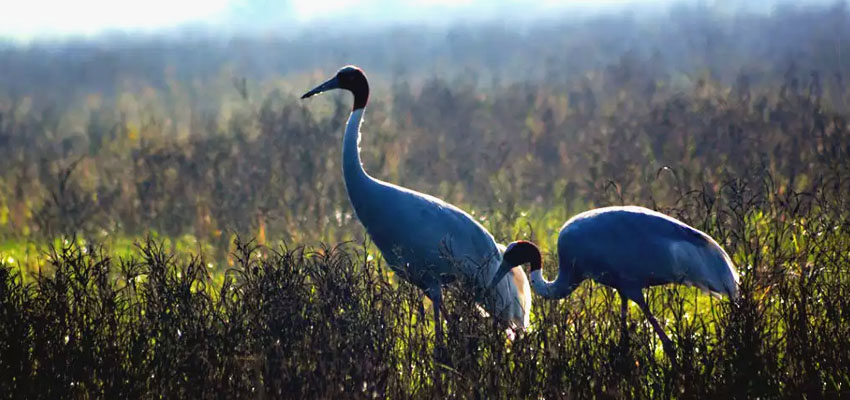
Keoladeo National Park, better known as Bharatpur Bird Sanctuary, is the first place many bird lovers think of when birding in India comes up. It is a UNESCO World Heritage Site and one of the most important wetland bird sanctuaries in the country, famous for its ability to attract huge numbers of resident and migratory birds during winter. The park’s reputation is not accidental; it has been built over decades of conservation and careful habitat protection.
What makes Bharatpur so rewarding is the density of birdlife in a relatively compact, walkable landscape. You can move through wetlands, grass patches, and woodland edges while watching painted storks, pelicans, herons, ibises, ducks, cranes, and many smaller species in a single visit. For a first-time birdwatcher, that concentration of birds makes the sanctuary feel almost unreal.
The best time to visit Keoladeo is from November to February, when migratory birds are at their peak. Early morning is the most productive part of the day, and local guides can make a huge difference in spotting species quickly. If you want one sanctuary that feels like a complete introduction to Indian birding, Bharatpur is hard to beat.
2. Chilika Lake, Odisha
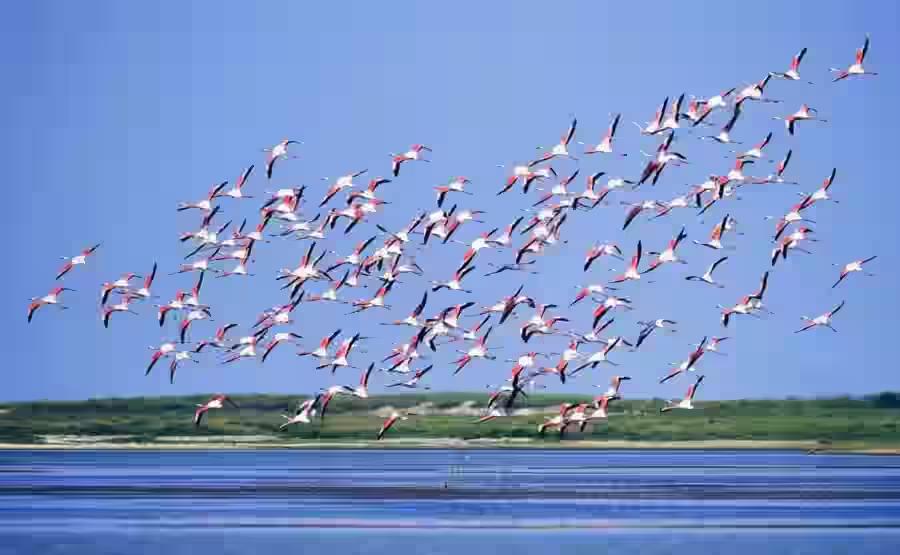
Chilika Lake is not just a sanctuary; it is a massive, living bird ecosystem and one of the most iconic birding landscapes in India. It is famous for its scale, its brackish-water habitat, and the sheer number of migratory birds that arrive during the winter season. For birders who love wide skies, open water, and large flocks, Chilika delivers a very different kind of thrill.
What makes Chilika especially attractive is the diversity of birding zones within the lake system. Depending on the area you visit, you may see flamingos, pelicans, gulls, terns, ospreys, and a variety of ducks and waders. The experience feels both grand and intimate, especially when you approach birds by boat and the water opens up around you.
The best birding season here is generally November to February, when migratory arrivals are strongest. Because the lake is so large, it works best when planned with a local operator or boat guide who understands bird movement and island clusters. If your idea of birding includes long horizons and massive waterbird congregations, Chilika should be high on your list.
3. Ranganathittu Bird Sanctuary, Karnataka
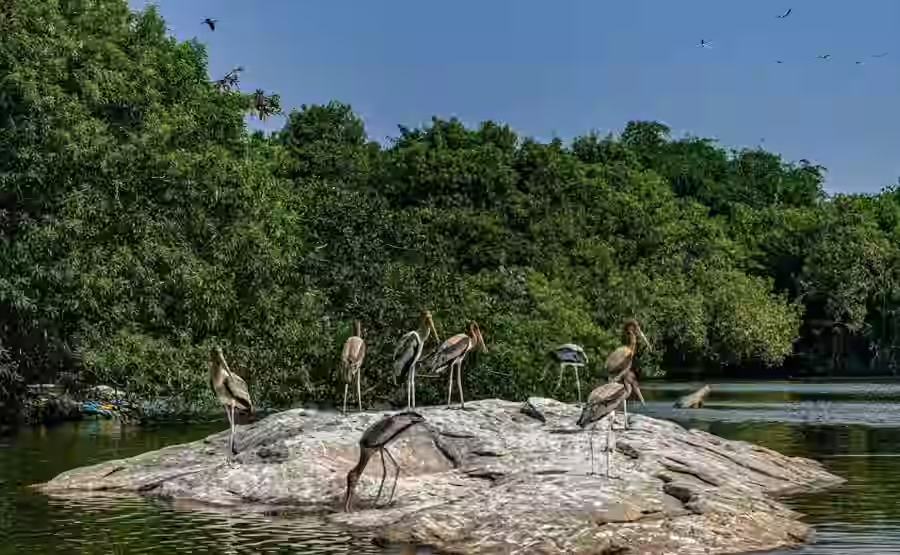
Ranganathittu is one of the best bird sanctuaries in India for people who enjoy riverine birding and close-up sightings. Located on islands in the Cauvery River, it is known for its nesting colonies of storks, herons, ibises, pelicans, and other waterbirds. The setting itself is part of the attraction, because the water, trees, and nesting birds create a scene that feels both calm and dramatic.
One of the best things about Ranganathittu is that the birding experience is usually done by boat, which brings you close to feeding and nesting areas without disturbing the habitat. That makes the sanctuary particularly appealing for photographers and travellers who want great sightings without strenuous walking. It is also an easy add-on if you are visiting Mysore or other nearby Karnataka destinations.
The sanctuary is especially rewarding from August to December, when nesting and early winter movement are strong. The species mix and the river setting make it one of the most photogenic bird sanctuaries in South India. For travellers who want beauty, accessibility, and abundant birdlife in one place, Ranganathittu is a strong choice.
4. Thattekad Bird Sanctuary, Kerala
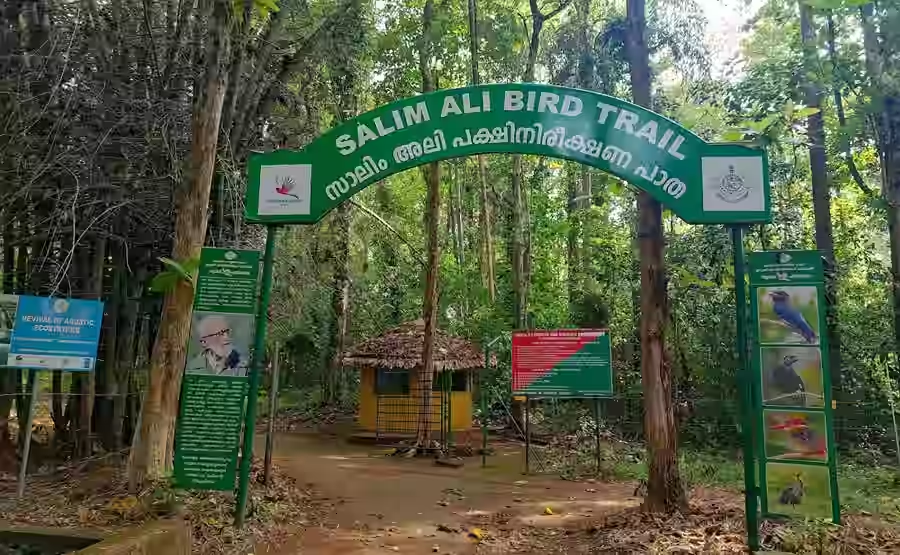
Thattekad, also known as Dr. Salim Ali Bird Sanctuary, is one of the finest forest birding destinations in Kerala. Unlike wetland sanctuaries, Thattekad is all about lowland forest birding, where the real excitement comes from hornbills, bulbuls, flycatchers, broadbills, and other Western Ghats species. It has a reputation as one of the richest bird habitats in peninsular India, and for good reason.
The atmosphere here is quieter and more immersive than many popular birding sites. Instead of scanning huge open wetlands, you listen closely to calls, move slowly along forest trails, and let the habitat reveal itself. For birders who enjoy patient observation and endemics, Thattekad is one of the most satisfying sanctuaries in the country.
The ideal visiting season is usually November to February, though bird activity remains strong at other times as well. Because it is a forest destination, a guide can improve your success rate significantly, especially if you are chasing specific species. Thattekad is a place where birding feels less like sightseeing and more like careful discovery.
India Birding Wish List
Which Birds Are You Hoping to See in India?
Share your target species, preferred month and photography goals. Our birding specialists will recommend the best habitats, national parks and a practical route to give your India birdwatching journey the strongest possible chance of success.
Your birding route can be fully customised: Choose a focused 4–6 day wetland break, a 7–10 day regional tour, or a longer multi-state expedition that combines birds, mammals, landscapes and culture.
No fixed itinerary required. Start with your birding priorities and we will help you choose the right India route, season, guide and accommodation style.
5. Nal Sarovar Bird Sanctuary, Gujarat
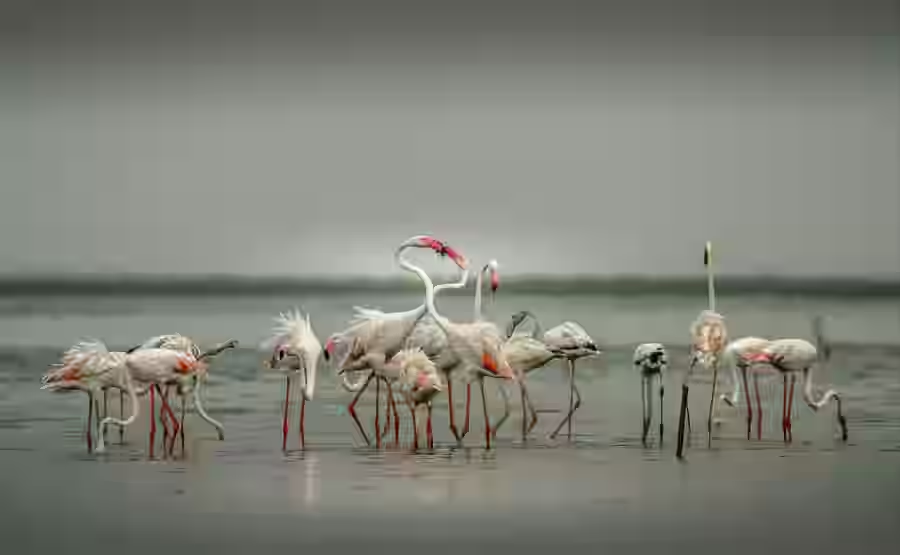
Nal Sarovar is one of Gujarat’s best birdwatching destinations and a classic winter wetland for migratory birds. It is especially known for its shallow waters and the way they attract large numbers of waterbirds, including flamingos, pelicans, ducks, and waders. The landscape is open and peaceful, which creates a very different birding rhythm from forest or river sanctuaries.
The biggest appeal of Nal Sarovar is the sense of scale and movement. In the right season, the wetland feels alive with flocks lifting, landing, feeding, and shifting with the wind and water levels. For photographers, this is one of those places where even the general atmosphere feels worth the trip.
The best time to visit is generally November to January, when migratory numbers are at their strongest. Because it is a wetland destination, early morning boat access is especially rewarding. Nal Sarovar is a great choice if you want a calm, reflective birding trip rather than a rushed checklist hunt.
6. Mangalajodi, Odisha
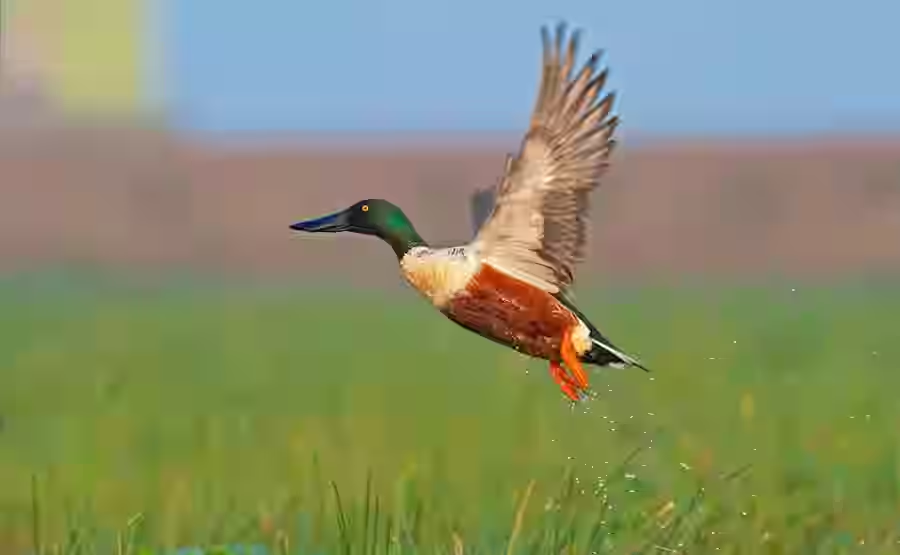
Mangalajodi has become one of India’s most admired community-led birding areas. Located near Chilika, it is well known for boat-based birding through shallow wetlands and reed-lined channels. The setting is quiet, and the birding feels intimate because you are moving slowly through a habitat where birds feed and roost very naturally.
What sets Mangalajodi apart is the quality of the local birding experience. The boatmen and local naturalists often know the habitat so well that they can take you directly to productive viewing spots. That makes it ideal for visitors who want a more guided and focused experience without the crowds that some larger sanctuaries attract.
The strongest months are usually October to December, when migratory activity builds quickly. The wetlands fill with ducks, waders, raptors, and a strong mix of seasonal visitors. For bird lovers who enjoy community conservation stories as much as sightings, Mangalajodi is especially meaningful.
7. Sultanpur Bird Sanctuary, Haryana
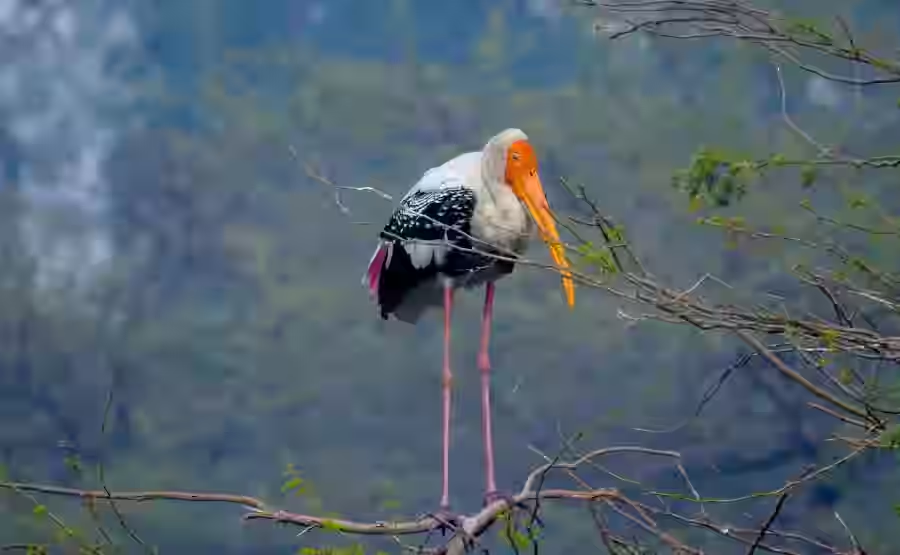
Sultanpur Bird Sanctuary is one of the easiest birding getaways near Delhi NCR. It is compact, accessible, and especially useful for people who want a short winter birding escape without planning a long trip. That convenience makes it one of the most practical sanctuaries for beginners.
The sanctuary attracts a healthy mix of resident and migratory birds, including waterbirds, waders, and common wetland species. While it may not be as iconic as Bharatpur, it has strong value because it is easy to visit and productive during the right season. For many travellers, that is exactly the kind of place that turns birding into a regular hobby rather than an occasional adventure.
The best time to visit is from October to February. If you live in Delhi, Gurgaon, or nearby cities, Sultanpur is one of the simplest ways to get a genuine birding fix without long travel time.
8. Vedanthangal Bird Sanctuary, Tamil Nadu
Vedanthangal is one of the oldest bird sanctuaries in India and remains an important nesting site for waterbirds. It is especially known for species like storks, spoonbills, pelicans, and herons that gather in large numbers during the right months. The sanctuary has a long history of protection and continues to be valued for its breeding colonies.
What makes Vedanthangal especially appealing is the nesting behavior you can observe here. It is not just about spotting birds, but about watching life cycles unfold in a protected wetland setting. For travellers who enjoy understanding bird behavior as much as taking photos, this sanctuary has a lot to offer.
The best period to visit is generally November to March. If you are building a South India birding circuit, Vedanthangal fits naturally into a wetland-focused itinerary.
9. Kumarakom Bird Sanctuary, Kerala
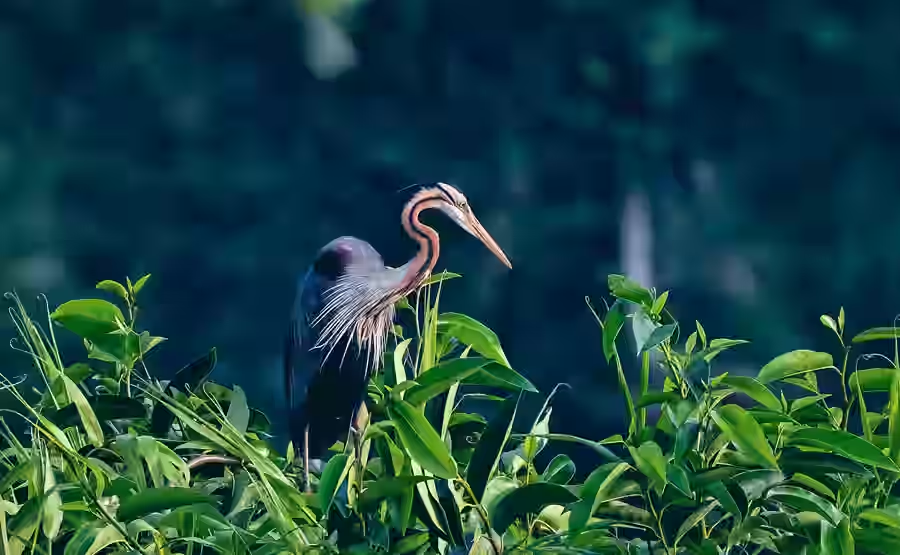
Kumarakom Bird Sanctuary is a lovely backwater birding destination along Vembanad Lake. Its charm lies in the combination of birds, water, and Kerala’s lush landscape. Unlike large and busy sanctuaries, Kumarakom often feels relaxed and scenic, which makes it appealing for slower travel styles.
Birders come here for a mix of resident birds and seasonal migrants, along with the general atmosphere of the backwaters. The sanctuary is a good place for people who enjoy soft birding experiences rather than high-pressure checklist trips. It is also one of those places where the setting itself becomes part of the memory.
The best season is generally August to December, when bird movement is active and the landscape is still rich and green. Kumarakom works well for couples, families, and travellers who want birdwatching to blend with comfort and scenery.
10. Chorao Island Bird Sanctuary, Goa

Chorao Island Bird Sanctuary, also known as Dr. Salim Ali Bird Sanctuary, is one of Goa’s most interesting birding spots. It offers a mangrove and estuary environment, which means the birding experience here is very different from the more familiar wetland sanctuaries. The setting is compact but ecologically rich.
This sanctuary is ideal for people who want a short birding excursion while traveling in Goa. The combination of mangroves, river edges, and seasonal waterbirds makes it especially rewarding for early morning visits. It is not a place for huge crowds or long safari-style days; it is a place for quiet observation and careful looking.
The strongest season is generally October to December. If you are already in Goa and want to add a real birding stop to a beach holiday, Chorao is a smart choice.
Best Time for Birding in India
In most parts of India, the best birding season is October to March, especially for migratory birds and wetland destinations. This is the period when the weather is comfortable, visibility is usually better, and bird activity is high across many habitats. For a lot of sanctuaries, winter is the safest and most productive season to plan a trip.
That said, the best time really depends on the habitat. Wetlands and lakes are strongest in winter, while forest sanctuaries can be excellent during breeding periods and the early cooler months after monsoon. If you want the most balanced birding experience, plan around seasonal peaks instead of treating all sanctuaries the same.
How to Choose the Right Bird Sanctuary in India
If you want the most famous all-round bird sanctuary in India, choose Keoladeo National Park. If you want a large wetland and major migratory movement, Chilika and Nal Sarovar are excellent. If you prefer forest birding and endemic species, Thattekad is one of the best options in the country.
For a short Delhi NCR trip, Sultanpur is the easiest choice. If you love boat birding, Ranganathittu and Mangalajodi are especially rewarding. The best sanctuary is not always the most famous one; it is the one that matches your time, your location, and the kind of birds you want to see.
Birding Tips That Make a Difference
The early morning hours are usually the best time to watch birds, because they are most active around sunrise. A good pair of binoculars, comfortable footwear, water, and a little patience can dramatically improve your experience. If you are visiting wetlands or boat-access sanctuaries, a local guide can help you find birds faster and identify species more accurately.
It also helps to travel quietly and move slowly. Birding works best when you let the habitat set the pace, rather than trying to force sightings. The more relaxed you are, the more you will notice.
FAQs
The best time is usually October to February, when winter migrants arrive and bird activity is strongest.
Keoladeo National Park, Bharatpur is one of the best-known migratory bird destinations in India, especially in winter.
Sultanpur Bird Sanctuary is the most convenient birding option near Delhi NCR for a short trip.
Chilika Lake, Nal Sarovar, and Ranganathittu are excellent for waterbirds, boat birding, and wetland photography.
Thattekad Bird Sanctuary is one of the strongest choices for forest species, including hornbills and other Western Ghats birds.
Yes. Bharatpur is one of the easiest and most rewarding sanctuaries for first-time birdwatchers because sightings are frequent and the park is highly accessible.
Yes. Bharatpur is one of the easiest and most rewarding sanctuaries for first-time birdwatchers because sightings are frequent and the park is highly accessible.
Early morning is usually best, with another active window in the late afternoon; midday is often less productive.
A local guide is highly recommended, especially in places like Thattekad, Mangalajodi, and Bharatpur, because guides help identify species quickly and improve sightings; midday is often less productive
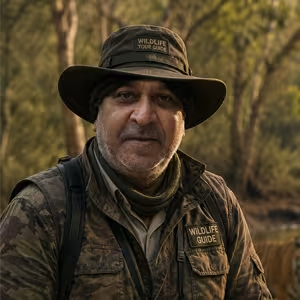
Written By
Sudhir Sharma
India Wildlife, Safari Travel Specialist
Sudhir Sharma helps travelers plan thoughtful wildlife safaris, birdwatching tours, Rajasthan heritage journeys and customised India holidays. His practical local guidance helps couples, families, photographers and nature lovers choose the right national parks, travel season and itinerary for a comfortable, memorable trip.