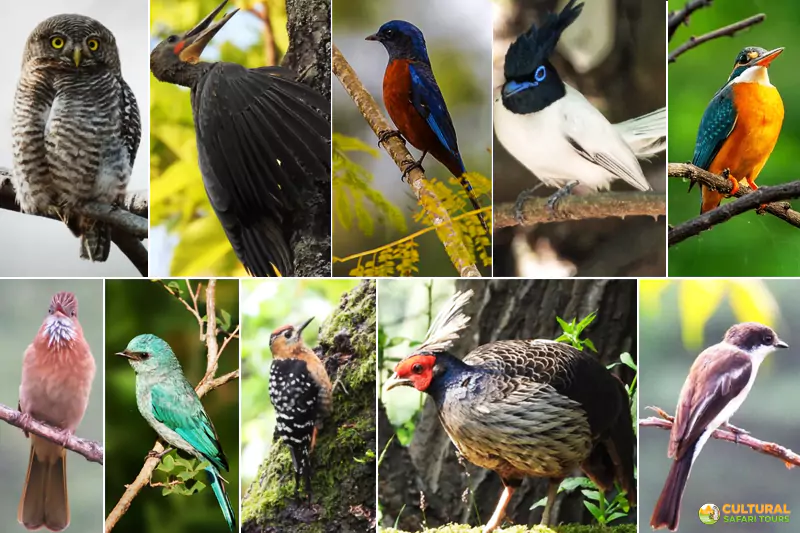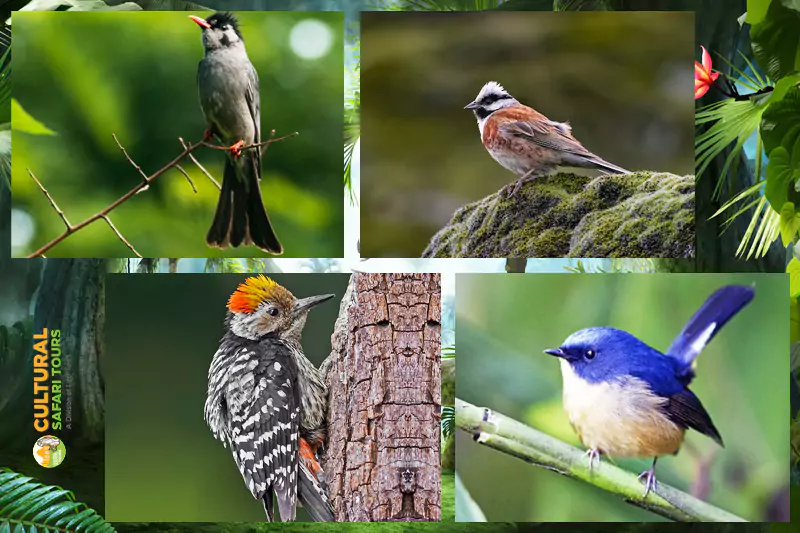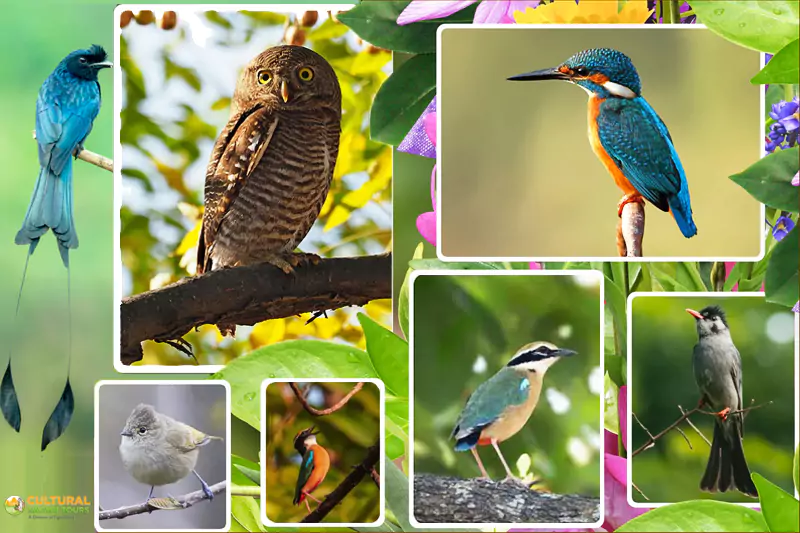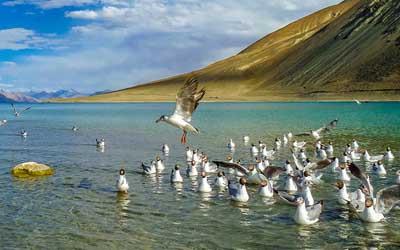


Gujarat Wildlife and Birding Tour
Embark on a 12-day adventure through Gujarat’s premier birding and wildlife destinations. Encounter Asiatic lions, Indian Wild Ass, and 400+ bird species across varied landscapes.
Gujarat Wildlife and Birding Tour
Duration: 11 Nights / 12 Days
Destinations Covered: Ahmedabad – Gir National Park – Jamnagar – Khijadia Bird Sanctuary and Marine National Park – Great Rann of Kutch (GRK) – Little Rann of Kutch (LRK) – Nal Sarovar Bird Sanctuary
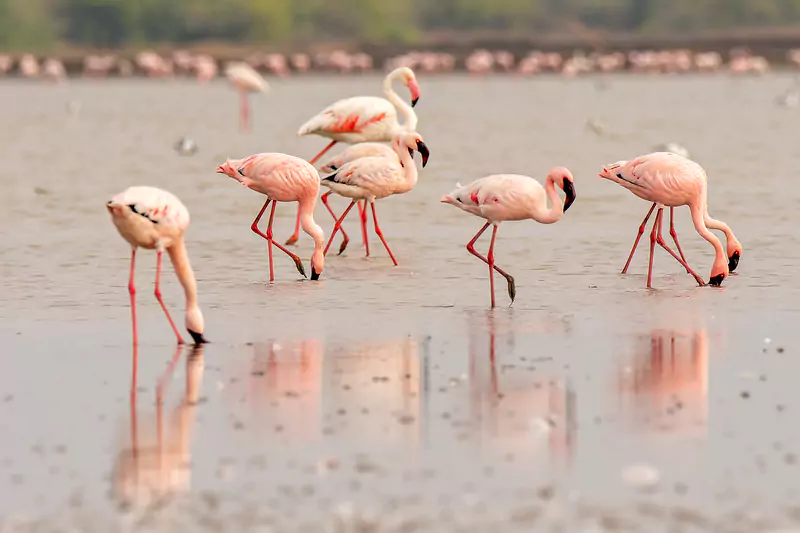
Explore the picturesque landscapes and rich biodiversity of Gujarat in this 12-day birding and wildlife expedition. From the majestic Asiatic lions of Gir to the flamingo-filled wetlands of Nal Sarovar, this tour combines forest safaris, coastal birding, salt desert explorations, and wetland wonders—all in one unforgettable journey.
Tour Highlights:
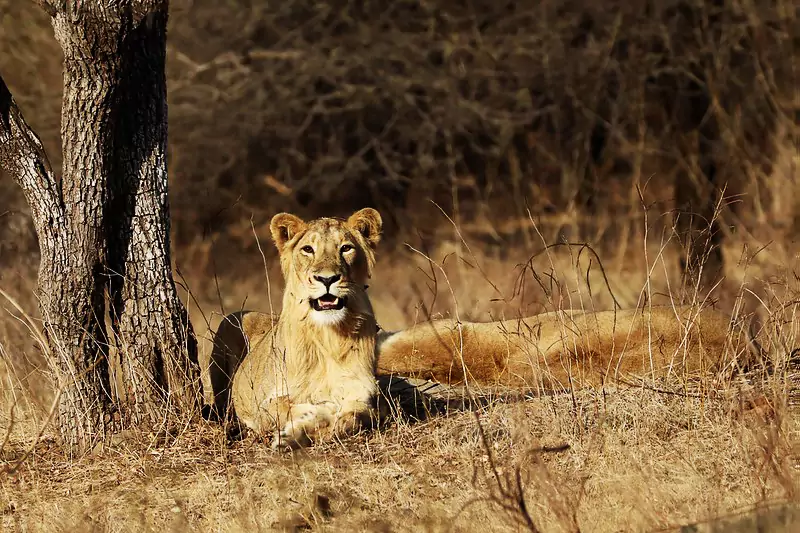
- Track the rare Asiatic Lions and other predators at Gir National Park
- Discover over 300 species of birds at Khijadia Bird Sanctuary
- Experience marine biodiversity at Narara, Poshitra, and Beyt Dwarka in the Marine National Park
- Spot rare desert birds and raptors in the expansive Great Rann of Kutch
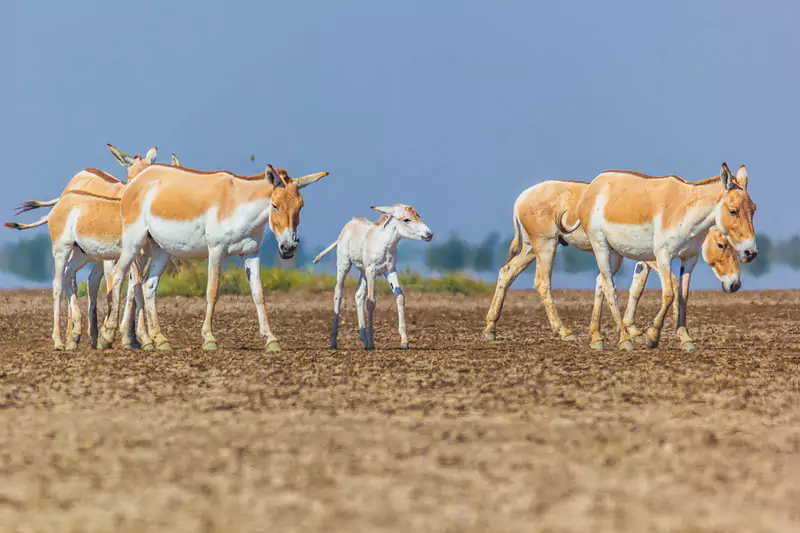
- Observe the Indian Wild Ass and a stunning diversity of birds at Little Rann of Kutch
- Enjoy wetland birding and peaceful boat rides at Nal Sarovar Bird Sanctuary
Detailed Itinerary
Day 01: Ahmedabad – Gir National Park (326 km / 7 hrs)
Arrive in Ahmedabad and transfer to Gir National Park. Overnight at resort.Day 02: Gir – Lion Safari & Birding
Morning safari. After lunch, afternoon safari. Overnight at resort.Gir is home to the Asiatic lion in India. Besides lions, one can also see leopards, striped hyenas, golden jackals, and jungle cats.
Main herbivores include spotted deer (chital), blue bull (nilgai), sambar deer, chinkara (gazelle), and wild boars.
Bird species we focus on include:
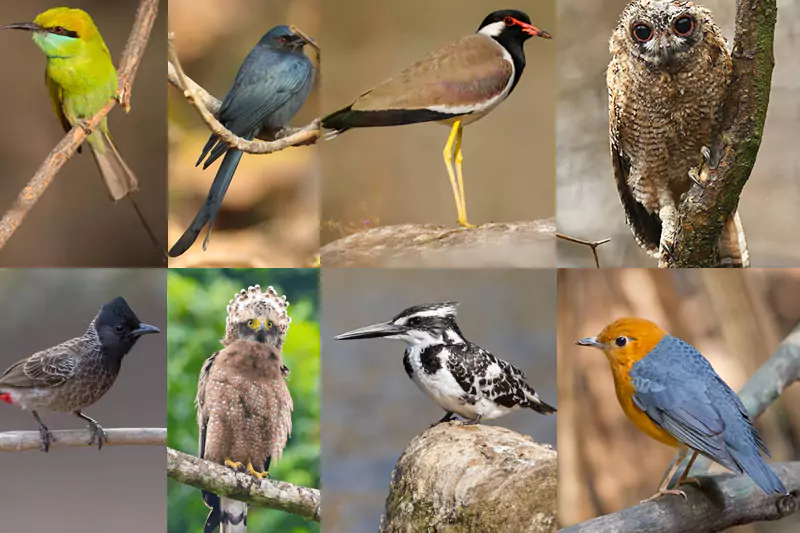
Grey Francolin, Indian Peafowl, Shikra, Small Minivet, White-browed Fantail, Great Tit, Grey-breasted Prinia, Oriental White-eye, Oriental Magpie-Robin, Indian Robin, Chestnut-shouldered Petronia, Indian Roller, Pied Kingfisher, Common Kingfisher, Lesser Goldenback, Golden Oriole, Ashy Prinia, Common Tailorbird, Clamorous Reed Warbler, Blyth’s Reed Warbler, Greenish Warbler, Tawny-bellied Babbler, Common Babbler, Red-naped Ibis, Rose-ringed Parakeet, Crested Treeswift, Green Bee-eater, Coppersmith Barbet, Rufous Treepie, Dusky Crag Martin, Indian Blackbird, Tickell’s Blue Flycatcher, Purple Sunbird, and Indian Silverbill.
Day 03: Gir – Jamnagar (225 km / 4 hrs)
Morning safari. After breakfast, drive to Jamnagar. Overnight at resort.Day 04: Jamnagar – Khijadia Bird Sanctuary & Marine National Park
We will explore Khijadia Bird Sanctuary, home to over 300 bird species. Overnight at resort.Day 05: Marine National Park Excursion
We visit three locations within the Marine National Park:- Narara – For marine life: octopus, pufferfish, sponges, etc.
- Poshitra – Known for coral reefs
- Beyt Dwarka – For dolphin watching
Day 06: Jamnagar – Great Rann of Kutch (GRK) (334 km / 6 hrs)
Drive to GRK via Banni grasslands. Overnight at resort.Day 07: Great Rann of Kutch (GRK)
Explore one of the largest salt deserts, spread over 7,000 sq. km.The Banni grassland is the hotspot of biodiversity. We shall be birding for two days and also cover Dhola Veera (ancient civilization site) & Chhari Dhhandhi area. O/n resort.
Target species include:
Great Indian Bustard, Indian Courser, Chestnut-bellied Sandgrouse, Sykes's Lark, Long-billed Pipit, Stoliczka's Bushchat, Black and Grey Francolin, Tawny Eagle, Bonelli’s Eagle, Greater Spotted Eagle, Imperial Eagle, Steppe Eagle, White-backed and Long-billed Vulture, White-naped Tit, Desert Warbler, Common and Demoiselle Cranes, Marshall's Iora, Montagu’s and Hen Harriers, Crab Plover, Oystercatcher, Bluethroat, Rufous-fronted Prinia, Isabelline Shrike, Red-necked Phalarope, Variable Wheatear, Hoopoe Lark, Rosy and Dalmatian Pelicans, Eurasian Eagle-Owl, Short-eared Owl, Laggar Falcon, and Eurasian Hobby.
Overnight at resort.
Day 08: Great Rann of Kutch (GRK)
On Second day in GRK we focus on Long-legged Buzzard, Desert Warbler, Rufous-tailed Scrub Robin, Flamingos, Collared Pratincole, Eurasian Wigeon, Common Pochard, Tufted Duck, Great-crested Grebe, Quails, Rufous-fronted Prinia, Orphean warbler, Grey-necked, Red-headed and Black-headed Buntings, Chestnut-bellied and Spotted Sandgrouse, Indian Courser, Grey Hypocolius, European Roller, and Eurasian White Stork. o/n resort.Day 09: GRK – Little Rann of Kutch (LRK) (133 km / 2 hrs)
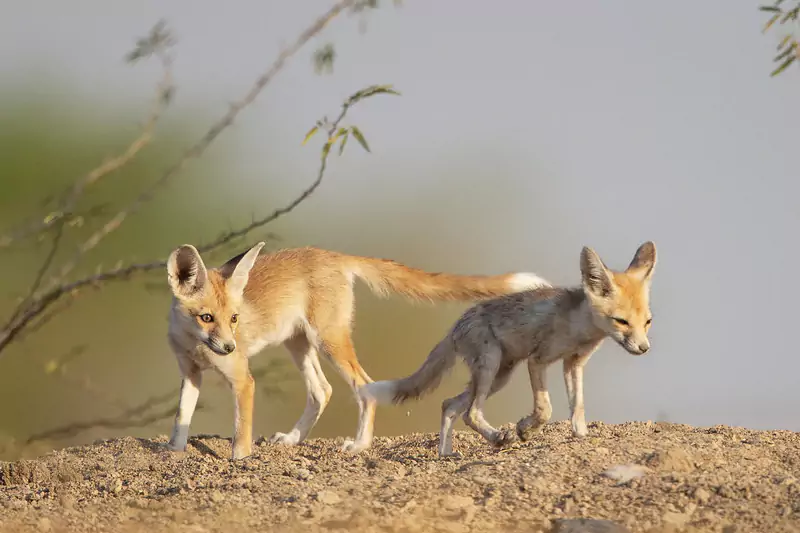
After breakfast we drive to LRK where one can see Wild ass, striped hyena and Desert fox.Birding stock consist of Flamingos -Greater flamingo, Lesser flamingo; Pelican -Dalmatian pelican,
Great white pelican; Crane - Demoiselle crane, Common crane; Goose-Red-breasted goose, Lesser
white-fronted goose, Greater white-fronted goose, Bar-headed goose, Greylag goos; Eagle-Greater
spotted eagle, Short-toed snake eagle, Indian spotted eagle, Tawny eagle, Steppe eagle, Booted
eagle, Eastern imperial eagle, Osprey; Harrier-Western marsh harrier, Pallid harrier, Montagu's
harrier; Falcon-Saker falcon, Red-naped Shaheen, Laggar falcon, Peregrine falcon, Red-necked falcon, Common kestrel; Ducks-Marbled Teal, Red-crested pochard, Mallard, Tufted Duck, Ruddy shelduck, Gadwall, Eurasian wigeon, Garganey, Northern shoveler, Northern pintail, Eurasian teal, Common pochard; Bittern-Great bittern, Yellow bittern, Cinnamon bittern, Black bittern; Lark-Indian bush lark, Ashy-crowned sparrow-lark, Rufous-tailed lark, Bimaculated lark, Greater short-toed lark, Hume's short-toed lark. O/n Resort.
Day 10: Little Rann of Kutch (LRK)
On our second day in LRK we try to cover below birds.Full day of birding.
Wagtail-Forest wagtail, Citrine wagtail, Yellow Wagtail, Grey wagtail; Pipit-Red-throated pipit, Tawny pipit, Paddy field pipit, Long-billed pipit, Tree pipit; Waders-Pacific golden plover, Common ringed plover, Little ringed plover, Kentish plover, Greater sand plover, Lesser sand plover, Greater painted-snipe, Jack Snipe, Common Snipe, Ruff ,Black-tailed godwit, Whimbrel, Eurasian Curlew, Spotted Redshank ,Marsh Sandpiper, Green Sandpiper, Wood Sandpiper, Common Sandpiper, Ruddy turnstone, Temminck's stint, Little stint, Sanderling, Curlew sandpiper, Dunlin, Pied Avocet; Owl-Pallid scops owl, Short Eared Owl, Barn owl, Spotted Owlet; Crake-Brown crake, Spotted Crake, Ruddy-Breasted Crake, Baillon's Crake; Bushchat- Stoliczka's bushchat, Pied bush chat, common stonechat, Variable wheatear, Desert wheatear ,Isabelline wheatear; Tern-White-winged tern, Indian skimmer, Caspian tern, Gull-billed tern ,River tern, Little tern, Whiskered tern; Shrike-Isabelline shrike, Brown shrike, Long-tailed shrike, Bay-backed shrike, Great Grey shrike; Comman Birds - Namaqua Dove, Sykes's nightjar, Sand Martin, Barn Swallow, Chestnut-bellied sandgrouse, Collared Pratincole, Small Pratincole, Sirkeer Malkoha, Common Sterling, White eared bulbul, Graceful prinia, Common kingfisher, Rufous fronted Prinia, Sociable Lapwing, Bluethroat, Indian Courser, Common buzzard, White eyed buzzard, Long-legged buzzard, Red Avadavat, Zitting Cisticola, White Tailed Lapwing, White Stork, Black necked Stork. O/n resort.
Day 11: LRK – Nal Sarovar Bird Sanctuary (141 km / 2 hrs)
Enjoy a morning birding session in LRK, then drive to Nal Sarovar Bird Sanctuary. Afternoon birding session followed by an overnight stay at the resort.Birding in Nal Sarovar: Flamingo-Greater flamingo, Lesser flamingo; Pelican-Dalmatian pelican, Great white pelican; Crane-Sarus crane, Demoiselle crane, Common crane; Goose-Red-breasted goose, Lesser white-fronted goose, Greater white-fronted goose, Bar-headed goose, Greylag goose; Gull-Caspian gull, Pallas's gull, Black-headed gull, Brown-headed Gull; Bunting-Yellow-breasted bunting, Striolated bunting, Black-headed bunting, Red-headed bunting, Grey-necked bunting; Eagle-Greater spotted eagle, Short-toed snake eagle, Indian spotted eagle, Tawny eagle, Steppe eagle, Booted eagle, Eastern imperial eagle, Osprey; Harrier-Western marsh harrier, Pallid harrier, Montagu'ss harrier; Falcon-Saker falcon, Red-naped Shaheen, Laggar falcon, Peregrine falcon, Red-necked falcon, Common kestrel; Ducks-Marbled Teal, Red-crested pochard, Mallard,Tufted Duck, Ruddy shelduck, Gadwall, Eurasian wigeon, Garganey, Northern shoveler, Northern pintail, Eurasian teal, Common pochard; Bittern-Great bittern, Yellow bittern, Cinnamon bittern, Black bittern; Lark-Indian bush lark, Ashy-crowned sparrow-lark, Rufous-tailed lark, Bimaculated lark, Greater short-toed lark, Hume's short-toed lark; Wagtail-Forest wagtail, Citrine wagtail, Yellow Wagtail, Grey wagtail; Warbler-Common grasshopper warbler, Moustached warbler, Asian desert warbler, Eastern Orphean warbler, Clamorous reed warbler, Paddyfield warbler, Blyth's reed warbler, Booted warbler, Sykes's warbler, Common chiffchaff ;Pipit-Red-throated pipit, Tawny pipit, Paddyfield pipit, Long-billed pipit, Tree pipit; Waders-Pacific golden plover, Common ringed plover, Little ringed plover, Kentish plover, Greater sand plover, Lesser sand plover, Greater painted-snipe, Jack Snipe, Common Snipe, Ruff, Black-tailed godwit, Whimbrel, Eurasian Curlew, Spotted Redshank, Marsh Sandpiper, Green Sandpiper, Wood Sandpiper, Common Sandpiper, Ruddy turnstone, Temminck's stint, Little stint, Sanderling, Curlew sandpiper, Dunlin, Pied Avocet; Owl-Pallid scops owl, Short Eared Owl, Barn owl, Spotted Owlet; Crake-Brown crake, Spotted Crake, Ruddy-Breasted Crake, Baillon's Crake; Bushchat-Stoliczka's bushchat, Pied bush chat, common stonechat, Variable wheatear, Desert wheatear, Isabelline wheatear; Tern- White-winged tern, Indian skimmer, Caspian tern, Gull-billed tern ,River tern, Little tern, Whiskered tern; Shrike-Isabelline shrike, Brown shrike, Long-tailed shrike, Bay-backed shrike, Great Grey shrike; Common birds-Namaqua Dove, Sykes's nightjar, Sand Martin, Barn Swallow, Chestnut-bellied sandgrouse, Collared Pratincole, Small Pratincole, Sirkeer Malkoha, Common Sterling, White eared bulbul, Graceful prinia, Common kingfisher, Rufous fronted Prinia, Sociable Lapwing, Bluethroat, Indian Courser, Common buzzard, White eyed buzzard, Long-legged buzzard, Red Avadavat, Zitting Cisticola, White Tailed Lapwing, White Stork, Black necked Stork and etc. o/n resort.
Day 12: Nal Sarovar – Ahmedabad (62 km / 1.5 hrs)
After a short birding session and breakfast, transfer to Ahmedabad for onward journey.Inclusions
- Private AC vehicle for all transfers: Ahmedabad → Gir → Jamnagar → Great Rann of Kutch → Little Rann of Kutch → Nal Sarovar → Ahmedabad.
- Nature resort and wildlife lodge accommodation at each destination, as per package and availability.
- Daily breakfast at selected resorts and lodges where clearly mentioned.
- Gir National Park jeep safaris (morning and afternoon game drives) as per package confirmation.
- Khijadia Bird Sanctuary birding sessions with local guide assistance.
- Marine National Park excursion to Narara, Poshitra and Beyt Dwarka.
- Nal Sarovar boat ride for wetland birding (if included in package).
- Expert naturalist or birding guide assistance throughout the tour.
- Driver allowance, fuel and basic travel coordination for all road legs.
Exclusions
- Gir National Park safari permit fees, unless clearly included in the quotation.
- Marine National Park entry and boat ride charges at Narara, Poshitra and Beyt Dwarka.
- Nal Sarovar boat ride charges, if not specifically included in the package.
- Dholavira UNESCO heritage site entry fees, paid separately at the counter.
- Lunch and dinner, except where specifically included in the package quotation.
- Guide fees and naturalist charges, if not listed as included in the package.
- Binoculars, spotting scopes, field guides and camera equipment (personal gear).
- Personal expenses such as tips, laundry, phone calls, shopping and porter charges.
- Travel insurance, visa fees, passport charges and medical expenses.
- Flight tickets to and from Ahmedabad, unless clearly included in the quotation.
- Parking, toll taxes, state taxes and any extra activities not listed in the itinerary.
- Hotel upgrades, extra nights or special requests beyond the base package cost.
FAQs
Q1. Which destinations are covered on this 12-day Gujarat birding and wildlife journey?This itinerary covers Ahmedabad, Gir National Park, Jamnagar, Khijadia Bird Sanctuary, Marine National Park, Great Rann of Kutch (GRK), Little Rann of Kutch (LRK) and Nal Sarovar Bird Sanctuary, offering a complete cross-section of Gujarat's diverse natural landscapes.
Q2. How many nights are spent at each location?
A typical plan includes 2 nights at Gir, 2 nights at Jamnagar, 2 nights at Great Rann of Kutch, 2 nights at Little Rann of Kutch and 1 night at Nal Sarovar, with Ahmedabad as the arrival and departure point.
Q3. Is this trip suitable for first-time birdwatchers?
Yes, this tour is designed for both beginner birdwatchers and experienced birding enthusiasts, with expert naturalists and local guides helping identify species across forest, wetland, coastal and desert habitats.
Q4. Approximately how many bird species can be spotted on this trip?
Across all seven destinations, you can potentially spot 400+ bird species, including flamingos, pelicans, eagles, falcons, cranes, waders, raptors, ducks, warblers and many rare or uncommon winter migrants.
Q5. What wildlife can I see at Gir National Park?
Gir National Park is the only place in the world where you can see the Asiatic lion in the wild. Besides lions, you may also spot leopards, striped hyenas, golden jackals, jungle cats, spotted deer, sambar deer, nilgai, chinkara and wild boar.
Q6. What bird species are found in Gir forest?
Gir's forest zone is rich in birds including Indian Peafowl, Grey Francolin, Indian Roller, Pied Kingfisher, Crested Treeswift, Coppersmith Barbet, Green Bee-eater, Rufous Treepie, Tickell's Blue Flycatcher and Purple Sunbird and many more woodland species.
Q7. How many safaris are done at Gir?
You typically get morning and afternoon game drives on both days at Gir, giving you excellent opportunities for Asiatic lion sightings and forest birding in different zones.
Q8. What makes Khijadia Bird Sanctuary special for birders?
Khijadia Bird Sanctuary near Jamnagar is a freshwater and saltwater wetland complex known for over 300 bird species, making it one of the most productive birding sites in Gujarat for waterbirds, waders, raptors and migratory species.
Q9. What can I see at the Marine National Park?
The Marine National Park covers three key locations — Narara for marine life, Poshitra for coral reefs and Beyt Dwarka for dolphin watching and coastal birds.
Q10. Is the Marine National Park visit done by boat or on foot?
Most explorations are done on foot during low tide at Narara and Poshitra, while Beyt Dwarka is accessed by boat for dolphin and seabird watching.
Q11. What is the Great Rann of Kutch and why is it special for birdwatching?
The Great Rann of Kutch is one of the world's largest salt deserts, spreading over 7,000 sq. km. Its Banni grasslands and seasonal wetlands attract flamingos, Common and Demoiselle Cranes, Great Indian Bustard, eagles, harriers, falcons, pelicans and rare desert species.
Q12. What rare target birds can be seen at the Great Rann of Kutch?
Key target species include Great Indian Bustard, Stoliczka's Bushchat, Grey Hypocolius, Desert Warbler, Hoopoe Lark, Laggar Falcon, Eurasian Eagle-Owl, Rosy Pelican, Dalmatian Pelican, Crab Plover and Eastern Imperial Eagle.
Q13. Is the ancient site of Dholavira visited on this trip?
Yes, Dholavira — a UNESCO World Heritage Indus Valley Civilization site — and the Chhari Dhhandhi area are typically covered during the Great Rann of Kutch leg.
Q14. What is the main wildlife highlight of Little Rann of Kutch?
The Little Rann of Kutch is the last remaining habitat of the Indian Wild Ass (Ghudkhur), one of India's most endangered wild ungulates. You may also see striped hyena and desert fox.
Q15. What birds are found in Little Rann of Kutch?
LRK is outstanding for flamingos, pelicans, cranes, eagles, falcons, ducks, waders, larks, pipits, wagtails, owls, crakes, terns and shrikes — making it one of India's most species-rich winter birding destinations.
Q16. What kind of birds can I see at Nal Sarovar Bird Sanctuary?
Nal Sarovar is famous for Sarus Cranes, flamingos, pelicans, bar-headed geese, painted storks, eagles, harriers, ducks and waders — best explored by a peaceful boat ride across the lake.
Q17. Are boat rides available at Nal Sarovar?
Yes, boat rides on Nal Sarovar Lake are one of the highlights, offering close-up views of flamingos, pelicans and cranes gathered around the lake.
Travel logistics & comfort
Q18. How is transport arranged between destinations?
All transfers are by private AC vehicle, following the route: Ahmedabad → Gir → Jamnagar → Great Rann of Kutch → Little Rann of Kutch → Nal Sarovar → Ahmedabad.
Q19. What type of accommodation is used?
You stay at nature resorts and wildlife lodges near each birding destination, chosen for their proximity to key birding sites.