
14 Days India Wildlife Photography Tour
Explore India’s finest wildlife photography circuit across Jim Corbett, Ranthambore, Bandhavgarh, and Kanha in 14 unforgettable days of safari adventure
14 Days India Wildlife Photography Tour
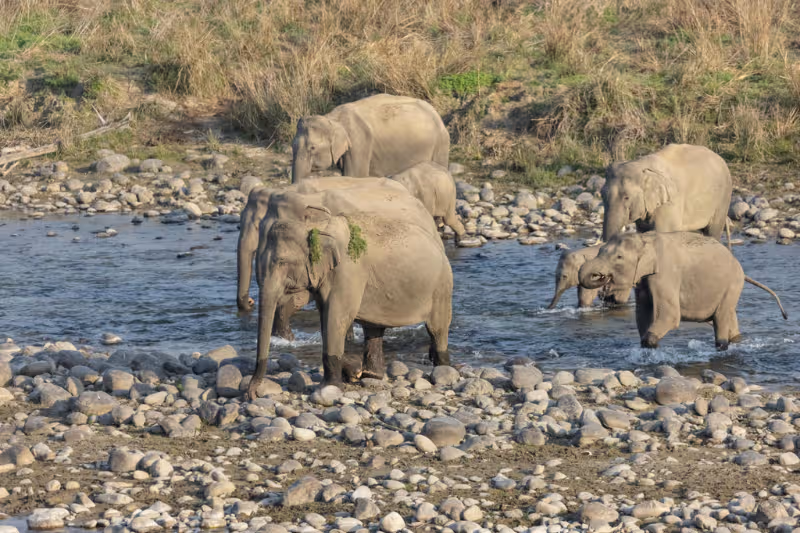
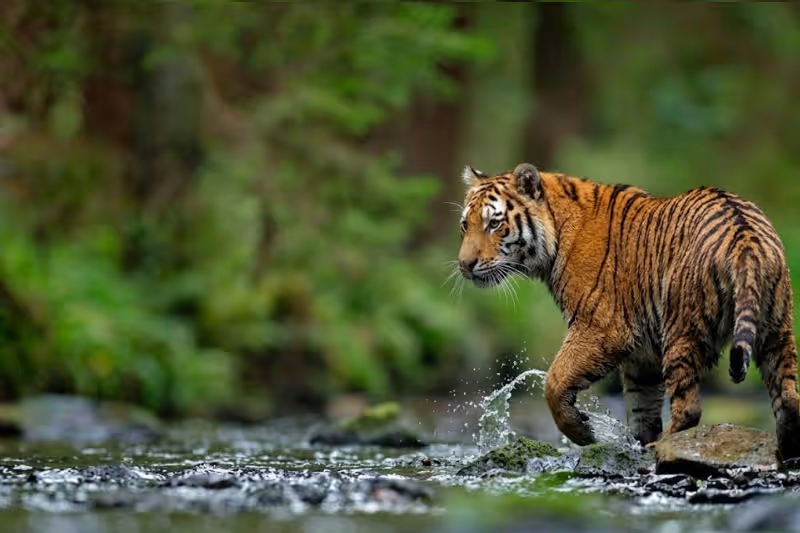
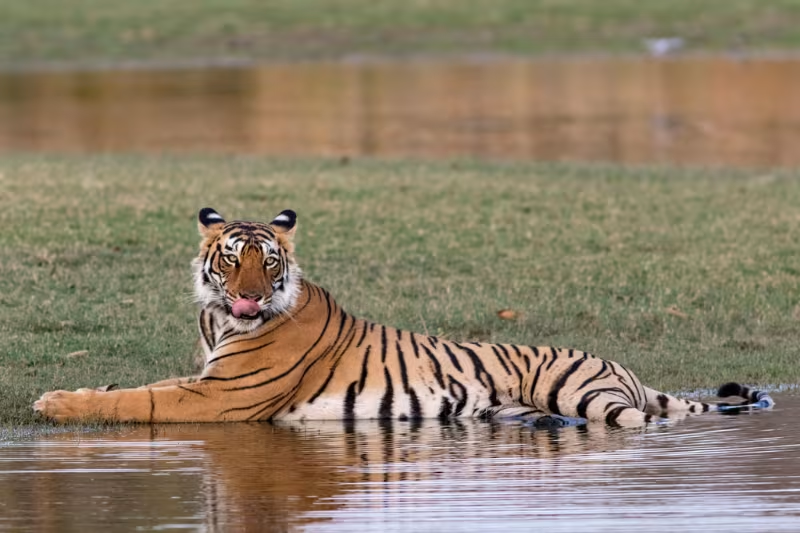
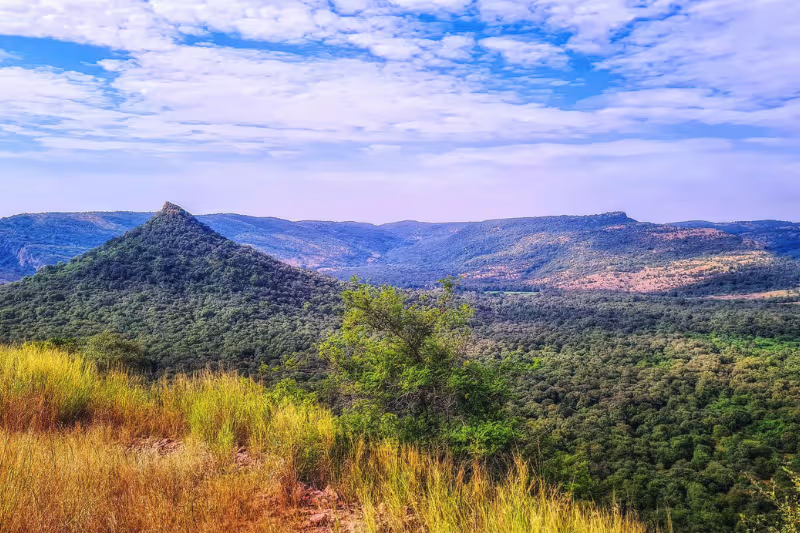
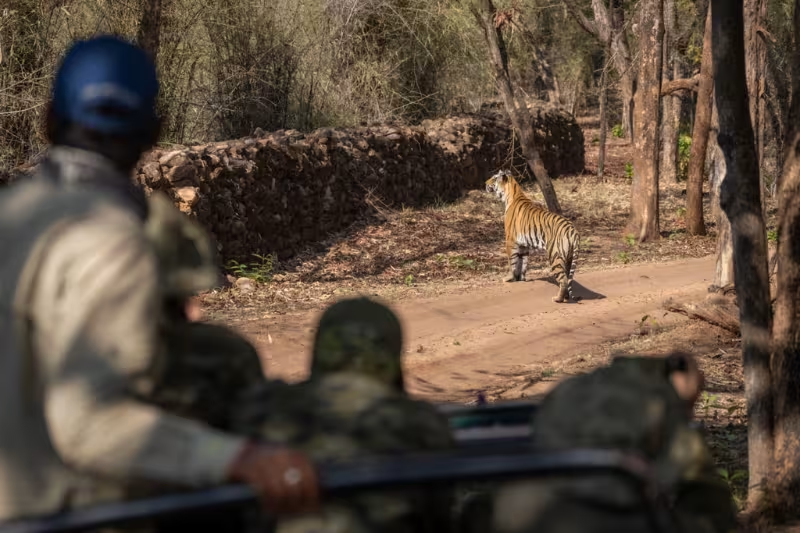
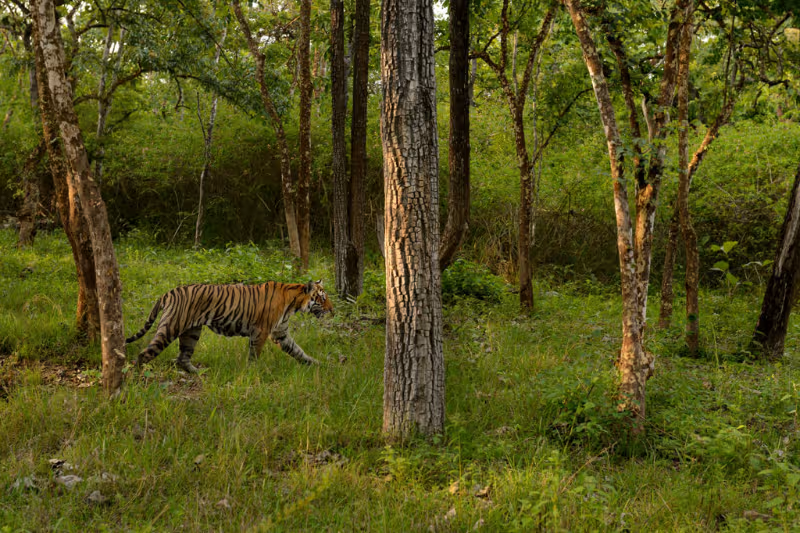
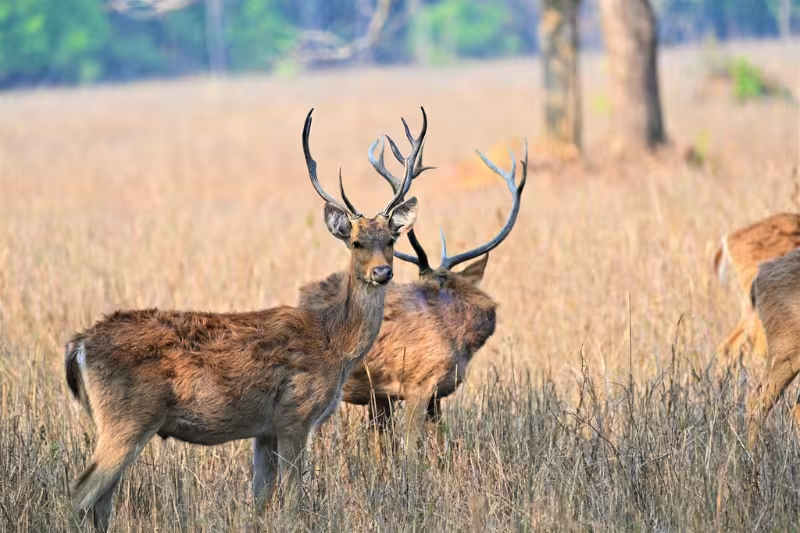
Experience the best of India’s wilderness on this thoughtfully designed 14 Days India Wildlife Photography Tour, made for travelers who want real safari moments, meaningful photography time, and a route that covers both North India and Central India. This tour is ideal for wildlife photographers, bird lovers, nature enthusiasts, and content creators who want more than a rushed sightseeing trip. From the riverine forests of Jim Corbett to the tiger-rich landscapes of Ranthambore, Bandhavgarh, and Kanha, this journey gives you a strong mix of wildlife action, scenic frames, and immersive jungle experiences.
What makes this itinerary special is the balance it offers. You get the green, varied terrain of Jim Corbett, the dramatic heritage-and-tiger setting of Ranthambore, the high-density tiger habitat of Bandhavgarh, and the wide meadows and elegant forest scenes of Kanha. That combination makes the tour stronger for both portfolio building and storytelling.
Tour Highlights
- 14 days of focused wildlife photography across India’s best tiger and forest zones.
- Covers both North India and Central India in one smooth itinerary.
- Multiple jeep safaris to improve your chances of better sightings and better light.
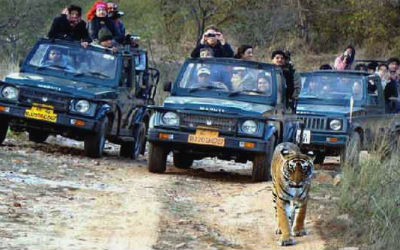
- Great opportunities for tiger photography in Ranthambore, Bandhavgarh, and Kanha.
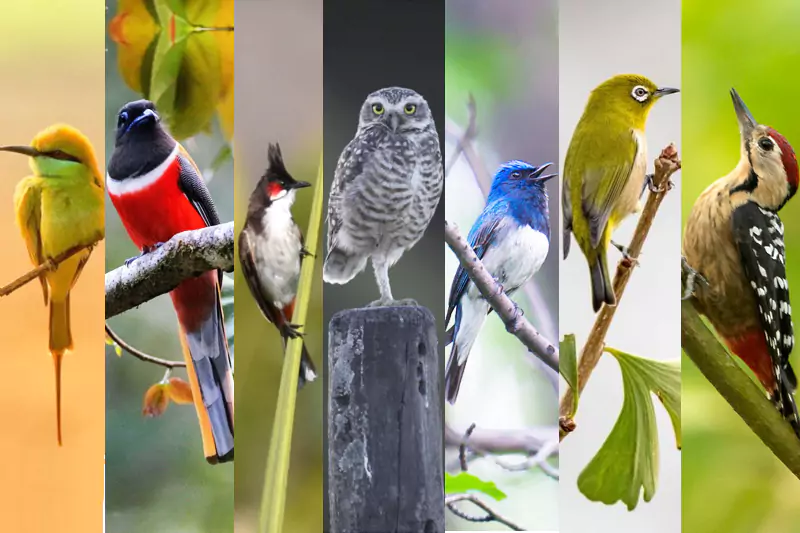
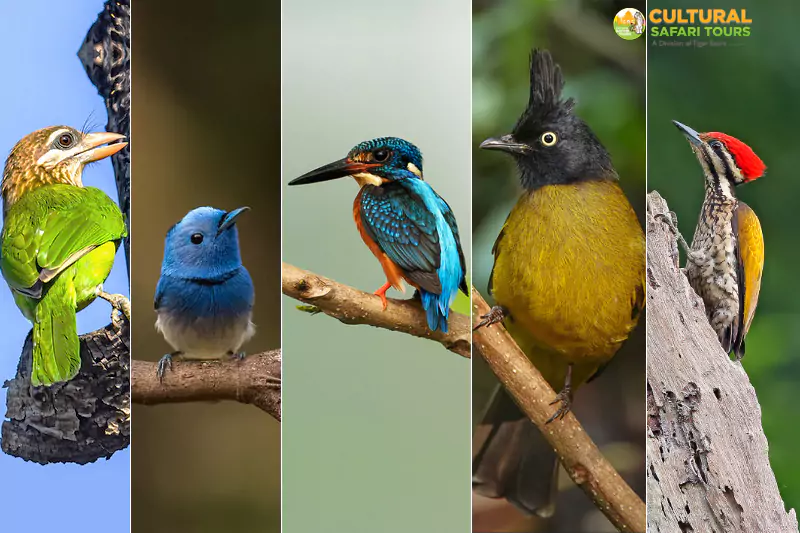
- Excellent birding and landscape opportunities in Jim Corbett.
- Scenic forest backdrops, lakes, ruins, meadows, grasslands, and rocky terrain for creative shots.
- Suitable for beginners, enthusiasts, and serious wildlife photographers.
- A slower, more rewarding itinerary designed for photography, not just travel.
Detailed Itinerary
Day 1: Arrival in Delhi and transfer to Jim CorbettArrive in Delhi and continue by road to Jim Corbett National Park, one of India’s most loved wildlife destinations for photography and nature travel. After check-in at the resort, the rest of the day is kept relaxed so you can settle in, prepare your camera gear, and get ready for the safari days ahead. This is a good time to charge batteries, clean lenses, format memory cards, and check your settings before entering the forest.
Jim Corbett is a great opening destination because it offers a mix of river views, forest textures, birds, deer, elephants, and a strong chance of memorable wildlife moments. The day ends with a quiet evening in the wilderness, setting the mood for the rest of the tour. Overnight Stay: Jim Corbett / Ramnagar
Day 2: First wildlife safari in Jim Corbett
Start the day early with your first safari in Jim Corbett, when the forest feels fresh and active. Morning light is soft and ideal for wildlife photography, especially for birds, deer, elephants, and landscape frames. If conditions are favorable, you may also get a tiger sighting or movement in the core forest zones.
After returning to the resort for lunch and a short rest, head out again for an afternoon safari. This second session gives you a chance to work on low-light shooting, subject behavior, and better composition. The goal today is not just to capture animals, but to begin reading the forest like a photographer. Overnight Stay: Jim Corbett / Ramnagar
Day 3: Second safari day in Jim Corbett
Your second full day in Corbett gives you more time to explore the park’s different moods. Repeating safaris in the same landscape often helps photographers improve their framing, light reading, and patience. It also increases the chance of cleaner shots because you start understanding where animals are likely to appear and how they move through the habitat.
Use the morning safari to focus on wide compositions, habitat storytelling, and birds in natural behavior. The afternoon safari can be used for closer subjects, stronger eye contact, and more refined subject placement. Corbett is especially rewarding for people who enjoy a slower, more thoughtful approach to wildlife photography. Overnight Stay: Jim Corbett / Ramnagar
Day 4: Transfer from Corbett to Ranthambore National Park
After breakfast, begin the journey toward Ranthambore via Delhi or the selected transfer route. This is a transition day, moving from the forested, river-rich environment of North India to Rajasthan’s dry tiger country. The landscape changes noticeably, and that shift itself adds variety to your tour.
By evening, you will reach Sawai Madhopur or the Ranthambore area and check into your hotel or resort. Use the evening for rest, a short equipment check, and safari planning for the next day. Ranthambore’s dry forest, water bodies, and historic ruins create a very different visual mood from Corbett, making the tour feel more diverse and complete. Overnight Stay: Ranthambore / Sawai Madhopur
Day 5: First safari in Ranthambore National Park
Begin your first Ranthambore safari early in the morning. This park is one of the most famous wildlife photography destinations in India because it combines tiger sightings with dramatic scenery, old fort landscapes, lakes, and strong contrast in light and shadow.
During the safari, keep your camera ready for tigers, sambar deer, langurs, crocodiles, nilgai, and birds. Ranthambore is not only about action; it is also about atmosphere, so wide environmental shots can be just as powerful as close portraits. In the evening, review your images and prepare your strategy for the next safari. Overnight Stay: Ranthambore / Sawai Madhopur
Day 6: Second safari in Ranthambore National Park
Today you continue exploring another zone or route in Ranthambore. Because the park has such a strong reputation for tiger photography, photographers often benefit from repeated safari access rather than a single drive. The dry terrain and open visibility can make sightings more dramatic and compositions more impactful.
This is a good day to focus on clean backgrounds, animal movement, and patient observation. Often the best photographs come from waiting for the subject to enter a natural frame, such as near water, roads, rocks, or open clearings. Ranthambore works especially well for photographers who enjoy a cinematic style. Overnight Stay: Ranthambore / Sawai Madhopur
Day 7: Third safari in Ranthambore National Park
Your third safari day in Ranthambore is all about going deeper into the forest and building a more complete body of work. By now, you will have a better feel for the terrain, light direction, and how different animals behave at various times of day. That familiarity can make a big difference in the quality of your final images.
Along with tiger photography, keep an eye out for birds, crocodiles, deer herds, and other forest subjects. These supporting frames help create a stronger visual story and make your collection more complete. This day is ideal for photographers who prefer thoughtful fieldwork over rushed shooting. Overnight Stay: Ranthambore / Sawai Madhopur
Day 8: Transfer to Bandhavgarh National Park
After breakfast, travel to Bandhavgarh National Park in Madhya Pradesh, one of the most respected tiger photography destinations in Central India. The scenery becomes more rugged here, with sal forests, grassy openings, and rocky terrain that give your photos a richer sense of place.
Reach Bandhavgarh by evening and check into your resort in Tala, Umaria, or another nearby stay point depending on your package style. This is the perfect moment to slow down, rest, and get ready for one of the strongest safari sections of the trip. Bandhavgarh is known for powerful tiger encounters and highly photogenic forest backdrops. Overnight Stay: Bandhavgarh / Tala or Umaria
Day 9: First safari in Bandhavgarh National Park
Start your first Bandhavgarh safari early, when the forest is most active and the light is best for photography. This park is widely appreciated for tiger density and strong portrait opportunities, making it a favorite among serious wildlife photographers.
Focus on the tiger’s expression, body position, and how it fits into the landscape. Bandhavgarh also gives you chances to photograph birds, deer, and the surrounding habitat, which adds depth to your work. The aim today is to capture images that feel powerful but still natural. Overnight Stay: Bandhavgarh / Tala or Umaria
Day 10: Second safari in Bandhavgarh National Park
Your second day in Bandhavgarh gives you another chance to explore different zones and adjust your approach. Because the park’s landscape changes through sal forest, open patches, and rocky terrain, it creates many variations in subject framing. That variety is very helpful for storytelling and portfolio quality.
Use the day to work on subject isolation, environmental portraits, and behavior-based compositions. If you are patient, you may find a better light angle or a more natural animal posture than on the previous day. This is exactly the kind of day that rewards photographers who enjoy spending time in the field. Overnight Stay: Bandhavgarh / Tala or Umaria
Day 11: Transfer to Kanha National Park
After breakfast, leave Bandhavgarh and drive to Kanha National Park, one of India’s most beautiful and balanced wildlife reserves. Kanha feels different from the earlier parks because its open meadows, wide forest spaces, and soft scenic lines create a calmer visual atmosphere.
Arrive by evening and check into your resort near Mukki, Kisli, or another preferred gate area depending on your final planning. Use the evening to rest and prepare for the final safari block of the tour. Kanha is especially good for photographers who enjoy elegant landscape frames and clean wildlife storytelling. Overnight Stay: Kanha / Mukki or Kisli
Day 12: First safari in Kanha National Park
Begin the day with an early safari in Kanha, where open terrain and beautiful forest structure create excellent photographic opportunities. Kanha is widely admired by photographers because it offers a clean, balanced habitat with strong chances for wildlife and landscape shots.
Here you can focus on wide meadow compositions, environmental portraits, and animals moving naturally through the scene. Barasingha, birds, deer, and tigers may all appear in a setting that feels calm but visually rich. This park is perfect for slower, more thoughtful photography. Overnight Stay: Kanha / Mukki or Kisli
Day 13: Second safari in Kanha
Your final full safari day gives you one more chance to build a deeper and more polished collection from Kanha. The light in the morning and evening often feels softer here, which can help create better tonal quality in your shots. You can also use this day to refine images you may not have fully achieved earlier in the tour.
Kanha is excellent for barasingha, birds, tiger portraits, and long-lens environmental framing. The wide spaces and scenic forest lines often make the final images feel cleaner and more composed. It is a strong ending to a photography-focused wildlife itinerary. Overnight Stay: Kanha / Mukki or Kisli
Day 14: Departure from Kanha
After breakfast, transfer to your onward departure point and continue your journey. By the end of this trip, you will have explored some of India’s most important wildlife landscapes and captured a wide variety of subjects across different habitats. The tour closes with a stronger portfolio, better field understanding, and a meaningful wildlife travel experience.
Overnight Stay: Not required
Includes
- Accommodation on a twin-sharing basis.
- All breakfasts and meals as per the final package.
- Jeep safaris as per the itinerary.
- All transfers between destinations in a comfortable vehicle.
- Assistance with safari coordination and travel support.
- Wildlife photography guidance if included in the final package.
- Airfare or train fare unless separately mentioned.
- Camera gear, lenses, and personal accessories.
- Personal expenses such as laundry, beverages, tips, and phone calls.
- Travel insurance and medical insurance.
- Meals not listed in the inclusions.
- Extra safaris, permits, or special services not included in the package.
- GST or other applicable taxes if charged separately.
FAQs
Is this tour suitable for beginners?Yes, this tour is suitable for beginners as well as experienced photographers because it offers structured safaris, diverse habitats, and plenty of time in the field. It is a good learning tour for anyone who wants to improve wildlife photography skills naturally.
Which parks are best for tiger photography?
Ranthambore, Bandhavgarh, and Kanha are the strongest tiger-focused destinations in this itinerary. Jim Corbett adds variety with riverine forest scenes, birds, and landscape opportunities.
How many safaris are included?
The number of safaris can be adjusted depending on your package design, but this itinerary is built around multiple safari experiences in each main park. For wildlife photographers, repeated drives usually improve both sighting chances and photo quality.
What kind of photography gear should I carry?
A telephoto lens, a camera body with fast autofocus, extra batteries, memory cards, and a bean bag are strongly recommended for safari photography. A wide-angle lens is also useful for landscape and habitat shots.
What is the best season for this tour?
The best time depends on whether you want stronger wildlife visibility or more green forest scenery, but photographers often prefer the dry months for better animal movement near water sources. Morning and late afternoon safaris are generally the most useful for light and activity.
Can this itinerary be customized?
Yes, this itinerary can be customized for hotel category, safari count, route order, and photography style. You can also tailor it for luxury travelers, bird photographers, or tiger-focused safari guests.